
-
NAVEGAÇÃO
-
CONDECORAÇÕES E HOMENAGENS
-
ATUAÇÃO MINISTERIAL
- Curso de Liturgia (Evangélica)
- O Jornal Batista
- Jornal Boas Novas
- Jornais Diversos
- Boletins Eclesiásticos
- Resumos de Sermões
- Atividades Ministeriais Exercidas
- Atividades Ministeriais Atuais
- Perguntas Bíblicas
- A Ciência e a Bíblia
- Solidão - Poesias
- Recanto dos Poetas Amigos
- Produção Jornalistico-literária de Dom Moysés Barbosa
- Matérias Jornalísticas
- Estatísticas do Ministério
- Orações pelos Povos
-
PRIMEIRO LIVRO DE DOM MOYSÉS BARBOSA
-
TEOLOGIA E ECLESIOLOGIA
- Ensino Teológico
- Credenciamento Pastoral
- IBICAM - Instituto Bíblico de Capacitação e Atualização Ministerial
- Templos de Igrejas Evangélicas (Brasil)
- Livro sem Palavras - Evangelização
- Declaração Universal dos Direitos Humanos - ONU
- Datas Internacionais e Nacionais (Oficiais Fixas do Brasil)
- BIBLIA ONLINE COMENTADA
-
FOTOS, ATUAÇÃO, INTEGRAÇÃO E HOMENAGENS RECEBIDAS E CONCEDIDAS
- Ministeriais - I
- Ministeriais - II
- Ministeriais - III
- Ministeriais - IV
- Ministeriais - V
- Ministeriais - VI
- Ministeriais - VII
- Ministeriais - VIII
- Ministeriais - IX
- Ministeriais - X
- Ministeriais - XI
- Pessoais
- Pessoais II
- Pessoais III
- Casamentos e Jubileus
- Outras - I
- Outras - II
- Outras - III
- Fotos Especiais, Antigas e Ministeriais Históricas I
- Fotos Especiais, Antigas e Ministeriais Históricas II
-
PAÍSES ALCANÇADOS PELO MINISTÉRIO
-
NOTICIÁRIOS EVANGÉLICO, GERAL E MINISTERIAL
-
Pesquisar o Site








TODAS AS NOSSAS REMESSAS SEGUEM PELOS CORREIOS: SE VOCÊ ESTÁ AGUARDANDO POSTAGEM DAQUI, FAÇA O RASTREAMENTO, CLICANDO EM



|
TITULAÇÕES INTERNACIONAIS SE O IRMÃO OU A IRMÃ DESEJA UMA TITULAÇÃO INTERNACIONAL NA ÁREA TEOLÓGICA, ASSINADA PELO PRÓPRIO BISPO-PRESIDENTE, O MINISTÉRIO ESTÁ EM CONDIÇÕES DE EXPEDIR, EM INGLÊS OU NO IDIOMA DO PAÍS DO DIPLOMADO. RESSALTA-SE QUE, COM EXPERIÊNCIA MINISTERIAL DE MUITOS ANOS E FORMAÇÕES BÍBLICO-TEOLÓGICAS RECEBIDAS NA ESPANHA, ISRAEL, ESTADOS UNIDOS, URUGUAY, BOLÍVIA E TANTOS OUTROS PAÍSES, É NOSSO DESEJO DIVIDI-LAS COM OBREIROS QUE ACOMPANHAM NOSSO TRABALHO. FAÇA RAPIDAMENTE CONTATO CONOSCO E DIGA QUAL A ÁREA QUE MAIS ATENDE SUAS NECESSIDADES CURRICULARES-MINISTERIAIS.
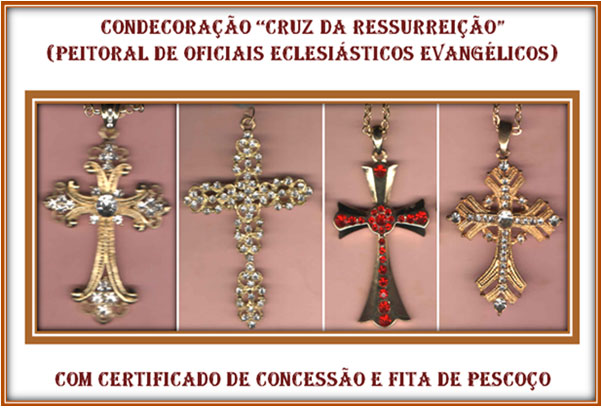
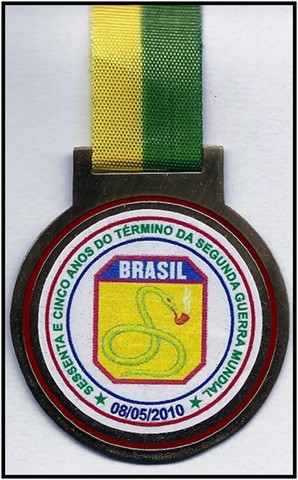
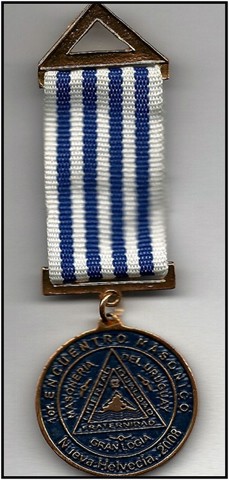
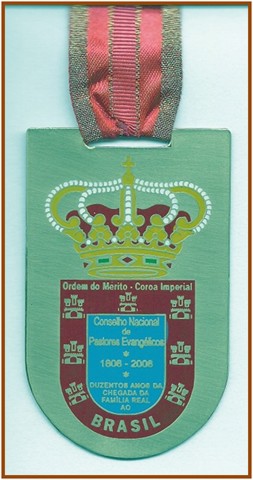
NOVAS TITULAÇÕES IMPORTANTES A partir de agora novas titulações estão sendo concedidas, dentro da resolução das instituições sob nossa mantenedoria, de reverenciar a memória de grandes nomes e comemorar datas históricas proeminentes, nacionais e internacionais, todas denominadas MÉRITO EMPREENDEDOR, a fim de distinguir pessoas físicas e jurídicas notoriamente dotadas de espírito de empreendedorismo. From now on new titles are being issued within the resolution of the institutions under our maintainers, to revere the memory of great names and dates commemorate important historical, national and international, all called MERIT ENTREPRENEUR, in order to distinguish individuals and companies known endowed with the spirit of entrepreneurship. JÁ FORAM INSTITUÍDAS AS QUE SE SEGUEM: MÉRITO EMPREENDEDOR GARRA BANDEIRANTE MÉRITO EMPREENDEDOR FORÇA EXPEDICIONÁRIA BRASILEIRA MÉRITO EMPREENDEDOR CIDADE DE SALVADOR MÉRITO EMPREENDEDOR JOÃO PAULO II MÉRITO EMPREENDEDOR PATRIARCA DA INDEPENDÊNCIA MÉRITO EMPREENDEDOR A REDENTORA MÉRITO EMPREENDEDOR MÁRTIR TIRADENTES MÉRITO EMPREENDEDOR PROCLAMAÇÃO DA REPÚBLICA MÉRITO EMPREENDEDOR MACHADO DE ASSIS CONDECORAÇÕES NOVAS Novas Condecorações na Medalhística Oficial do Conselho Nacional de Pastores Evangélicos (CONAPEV) New Decorations Medals in Journal of the National Council of Evangelical Pastors (CONAPEV) São Expedidas Mediante Certificado de Concessão Are Consigned By Certificate of Award
Temos, também, condecorações religiosas e outras instituídas recentemente. Faça contato conosco. We also have religious decorations and other up recently. Do contact us.
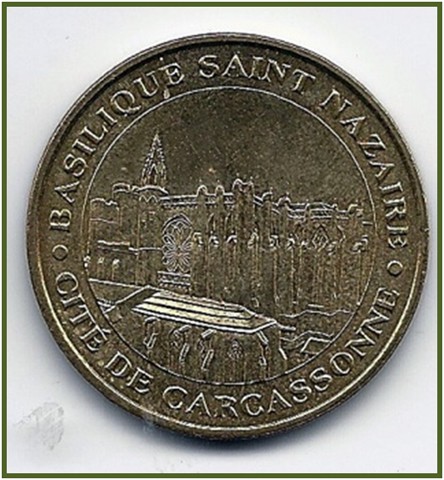
1 - FEB (*) COM DIPLOMA DE CONCESSÃO EM INGLÊS COLLECTION NATIONALE (MÈDAILLE OFFICIELLE - FRANCE)
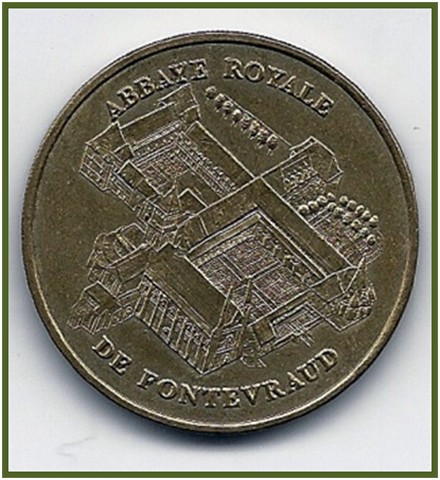
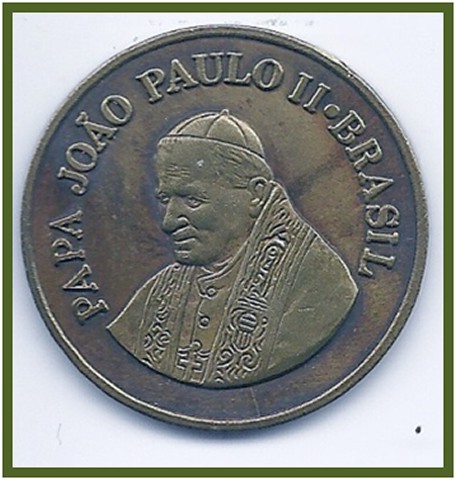
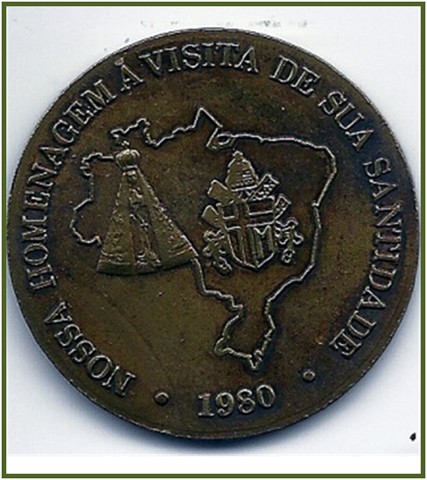
Le Donjon - Forteresse Mèdievale de Loches DIPLOMAS DE CONCESSÃO EXPEDIDOS EM UM DOS PAÍSES ALCANÇADOS PELO MINISTÉRIO (FRANÇA), NO IDIOMA LOCAL LEMBRANÇA DO PONTIFICADO DO PAPA JOÃO PAULO II
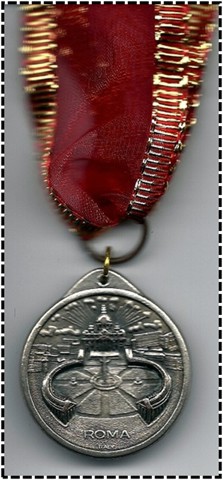
ITÁLIA: FRENTE E VERSO (ESTOJO VERMELHO - DIPLOMA DE CONCESSÃO EM ITALIANO)
BRASIL: FRENTE E VERSO (ESTOJO AZUL - DIPLOMA DE CONCESSÃO EM PORTUGUÊS) (1980 - PRIMEIRA VISITA DO PAPA AO BRASIL)HOMENAGEM A OBREIROS EM ANIVERSÁRIOS DE ORDENAÇÃO (5, 10, 15, 20, 25, 30, 35, 40, 45, 50, 75 ANOS OU QUAISQUER OUTROS)
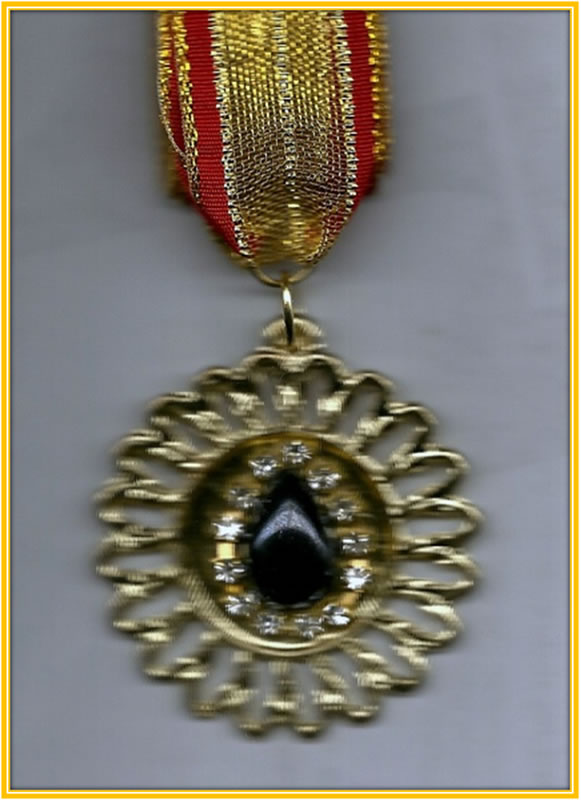
GRÃO-COLAR EXCELÊNCIA DO MÉRITO MINISTERIAL
GRÃO-COLAR EXCELSO E SOBERANO DE MÉRITO SOL DA JUSTIÇA (INSTITUÍDO PELO CONSELHO NACIONAL, COM CERTIFICADO DE CONCESÃO)
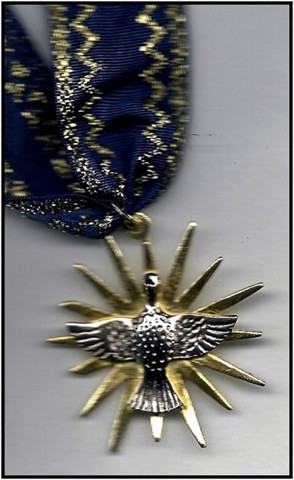
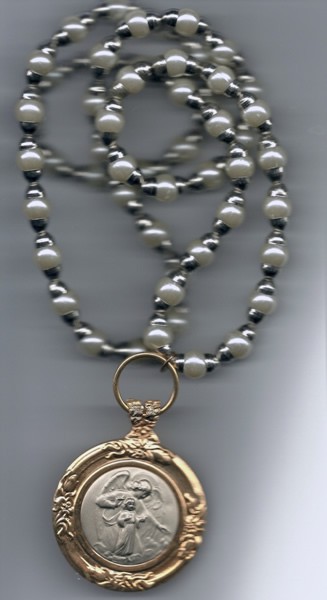
CONDECORAÇÃO RELIGIOSA ESPECIAL
GRÃO-COLAR EXCELSO E SOBERANO DE MÉRITO PROTEÇÃO DO ANJO DO SENHOR
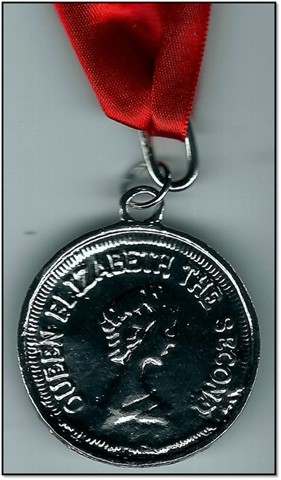
MEDALHA "QUEEN ELIZABETH THE SECOND", ACOMPANHADA DE MINIATURA REFERENCIANDO SEU REINADO QUE TEVE INÍCIO EM 06 DE FEVEREIRO DE 1952 E SEUS 85 ANOS EM 2011
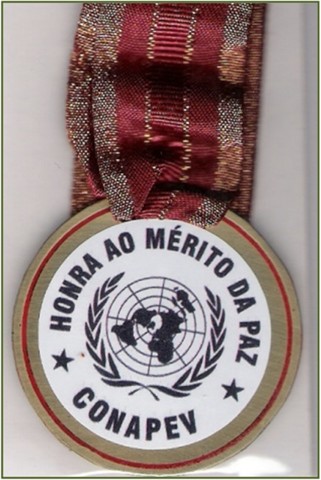
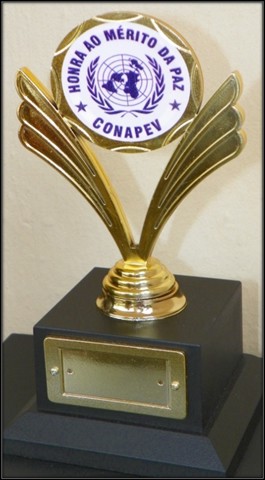
TROFÉU HONRA AO MÉRITO DA PAZ PARA PESSOAS ENVOLVIDAS COM ATIVIDADES RELACIONADAS COM A IMPLANTAÇÃO OU PRESERVAÇÃO DA PAZ CERTIFICADO DE CONCESSÃO EXPEDIDO POR ENTIDADE DE ÂMBITO NACIONAL RECONHCIDA POR SIGNATÁRIOS DO "GLOBAL COMPACT (ONU)"
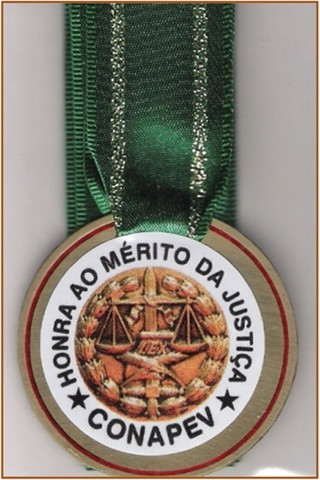
TROFÉU HONRA AO MÉRITO DA JUSTIÇA PARA PROFISSIONAIS DO DIREITO/JUSTIÇA OU PERSONALIDADES QUE PRIMAM PELA PRÁTICA DA JUSTIÇA COMEMORAÇÃO DOS 15 ANOS DA JUSTIÇA ARBITRAL NO BRASIL - LEI 9.307 DE 23/09/96 (O MESMO TROFÉU, MAS COM ESTA IMAGEM)
MEDALHA "GRANDE HOMENAGEM ECLESIÁSTICO-MINISTERIAL +DOM MOYSÉS BARBOSA" (COMEMORATIVA DOS 45 ANOS DE MINISTÉRIO EVANGÉLICO - OPÇÕES QUADRANGULAR E CIRCULAR) = DESTINAM-SE A OUTORGAS MAS HÁ FORNECIMENTO A COLECIONADORES =
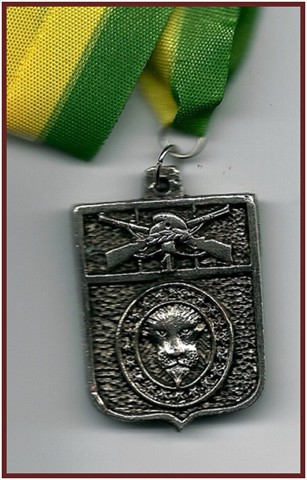
MEDALHA "CÍVICO-PATRIÓTICA" CONCESSÃO COM DIPLOMA-TÍTULO "BRASILEIRO EMPREENDEDOR"
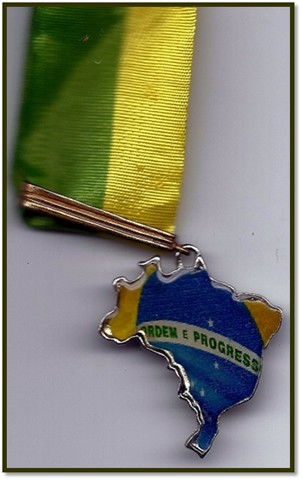
MEDALHA ARMAS DA REPÚBLICA CONCEDIDA PELO CONAPEV (COMEMORATIVA DE ANIVERSÁRIO DA PROCLAMAÇÃO DA REPÚBLICA DO BRASIL)
FRENTE - VERSO |
|
-.-.-.-.-.-.-.-.-.-.-.-.-.-.-.-.-.-.-.-.-.-.-.-.-.-.- AGRADECEMOS A DEUS PELO ÊXITO QUE ESTE MINISTÉRIO VEM ALCANÇANDO. LOUVADO SEJA O NOME DO SENHOR! IMPORTANTE As estatísticas das visitas a esta página registram, em todos os continentes, milhares de visualizações sem identificação da origem. Colabore conosco, passando-nos um E-Mail informando seu país, uma vez só, se possível no primeiro acesso a qualquer dos nossos conteúdos. Aproveite e nos mande uma sugestão. Assim poderemos divulgar dados mais precisos quanto ao nosso alcance. Ficaremos gratos e estaremos orando por sua vida. IMPORTANT The statistics of visits to this page book, on all continents, thousands of impressions without identifying the source. Collaborate with us, passing us an e-mail stating your country, once, if possible in the first access to any of our content. Enjoy and send us a suggestion. So we may disclose more accurate data about our reach. We will grateful and will be praying for his life. |




















PARA REFLETIR
TO REFLECT

LEGENDA DA IMAGEM ACIMA
LEGEND OF THE ABOVE PICTURE
"Look at this truly grass looks greener on the other side!"
JOÃO 8:44
"Vós tendes por pai o Diabo, e quereis satisfazer os desejos de vosso pai; ele é homicida desde o princípio, e nunca se firmou na verdade, porque nele não há verdade; quando ele profere mentira, fala do que lhe é próprio; porque é mentiroso, e pai da mentira". (João 08:44)
"Ye are of your father the devil, and the lusts of your father, he was a murderer from the beginning, and abode not in truth, because there is no truth, when he speaketh a lie, he speaketh of his own nature, because is a liar and the father of lies". (John 08:44)

HISTÓRIA DO BRASIL - RESUMO
HISTORY OF BRAZIL - SUMMARY
AS CARAVELAS PORTUGUESAS CHEGARAM AO BRASIL NO DIA 22 DE ABRIL DE 1500
THE CARAVEL PORTUGUESE ARRIVED IN BRAZIL ON 22 APRIL 1500
= ESTA A DATA OFICIAL DO DESCOBRIMENTO =
= THIS OFFICIAL DATE OF THE DISCOVERY =

Para os visitantes desta página, especialmente os de outros países dos cinco continentes, o Ministério Evangélico Internacional Valorizando a Vida! apresenta um resumo da História do Brasil, sede do Ministério.
For visitors this page, especially those from other countries on five continents, the International Evangelical Ministry Valuing the Life! presents a summary of the History of Brazil, the Ministry headquarters.
Descobrimento e Colonização do Brasil
Descobrimentos Portugueses (1487 - 1497)
Discovery and Colonization of Brazil
Portuguese Discoveries (1487 - 1497)
Nos séculos XV e XVI, Portugal era um reino ibérico com um milhão de habitantes, voltado para o Oceano Atlântico e limitando-se com a Casa de Castela, que lhe era hostil. Depois de anos de luta contra a ocupação moura, os portugueses voltaram sua atenção e energia para o mar e o que houvesse além mar. Enquanto os espanhóis partiram em busca de uma rota para o Oriente, viajando para oeste, os portugueses optaram pela chamada "Rota do Sul" ao longo da costa africana. Alcançado o Cabo da Boa Esperança em 1487, os portugueses foram guiados pelo navegador Vasco da Gama, através do Oceano Índico, para descobrir a rota marítima para o longínquo Oriente em 1497. Tinham conhecimento da existência de terras do outro lado do Atlântico e haviam feito algumas expedições a oeste, antes da descoberta das Antilhas, por Colombo, em 1492. Guardaram este conhecimento em segredo, entretanto, de maneira a evitar que a ambição da Espanha, Inglaterra e França prejudicasse os seus planos. Para uma nação pequena, o segredo era o único método disponível para se resguardar da ambição de rivais marítimos mais poderosos.
O Tratado de Tordesilhas (1494) definiu a questão da posse das novas terras entre Espanha e Portugal. Tratou-se de um acordo no qual os territórios compreendidos a leste do meridiano de Greenwich, até 370 léguas a oeste das Ilhas de Cabo Verde, pertenceriam a Portugal, enquanto as terras a oeste ficariam com a Espanha. Essa linha imaginária, de pólo a pólo, atravessou a parte oriental da América do Sul e constituiu a primeira fronteira do Brasil, embora a descoberta formal, por Pedro Álvares Cabral, só tenha acontecido seis anos mais tarde, exatamente em 22 de abril de 1500.
In the fifteenth and sixteenth centuries, Portugal was a kingdom ibérico with a million inhabitants, facing the Atlantic Ocean and sticking with the House of Castile, it was hostile. After years of struggle against the Moorish occupation, the Portuguese returned his attention and energy to the sea and there were overseas. While the Spanish departed in search of a route to the East, traveling to the west, the Portuguese opted to call "South Route" along the African coast. Reached the Cape of Good Hope in 1487, the Portuguese were guided by the navigator Vasco da Gama, through the Indian Ocean, to discover the sea route to the Far East in 1497. Were aware of the existence of land across the Atlantic and had made several expeditions to the west, before the discovery of the Antilles, in Colombo, in 1492. Kept this knowledge a secret, however, in order to prevent the ambition of Spain, England and France undermine his plans. For a small nation, the secret was the only method available to protect the ambition of most powerful maritime rivals.
The Treaty of Tordesillas (1494) defined the issue of possession of new lands between Spain and Portugal. It was an agreement which included the territories east of the meridian of Greenwich, up to 370 leagues west of the Cape Verde Islands, belong to Portugal, while the land to the west would be to Spain. This imaginary line from pole to pole, crossed the eastern part of South America and was the first frontier of Brazil, although the formal discovery by Pedro Alvares Cabral, has only happened six years later, exactly in 22 of April of 1500.
As Primeiras Colônias (1530 - 1549)
The first settlers (1530 - 1549)
A viagem de Cabral foi seguida por outras expedições portuguesas. A principal riqueza explorável encontrada pelos primeiros colonizadores foi um tipo de madeira, que produzia uma tintura vermelha e roxa, o pau-brasil, da qual deriva o nome do país.
A ocupação organizada só teve início em 1530, quando Portugal enviou os primeiros colonizadores, trazendo animais domésticos, plantas e sementes para o estabelecimento de colônias definitivas. As colônias implantadas no Nordeste foram consolidadas. São Vicente, no litoral do atual Estado de São Paulo, foi fundada em 1532, e a cidade de Salvador, mais tarde escolhida como sede da Governadoria Geral da colônia, foi fundada em 1549. O território era escassamente habitado por tribos indígenas, algumas pacíficas e outras, especialmente no interior, hostis e ameaçadoras.
À medida que se expandia a colonização, um sistema administrativo tornou-se necessário. Como primeiro passo, a Coroa Portuguesa criou as Capitanias Hereditárias. Quatorze dessas Capitanias - algumas maiores que Portugal - foram instaladas em meados do século XVI, sendo os beneficiários, chamados donatários, responsáveis pela sua defesa e desenvolvimento. O sistema de Capitanias influenciou significativamente sobre a configuração territorial e política do Brasil moderno.
The trip by Cabral was followed by other expeditions Portuguese. The main exploitable wealth found by the first settlers was a kind of wood, which produced a red and purple dye, pau-brasil, from which derives the name of the country.
The only organized occupation began in 1530, when Portugal sent the first settlers, bringing pets, plants and seeds for the establishment of permanent colonies. Colonies located in the northeast were consolidated. St. Vincent, on the coast of the present state of São Paulo, was founded in 1532, and the city of Salvador, later chosen as the seat of Governadoria General of the colony, was founded in 1549. The area was sparsely inhabited by indigenous tribes, some peaceful and others, especially within, hostile and threatening.
As you expand the settlement, an administrative system has become necessary. As a first step, the Portuguese Crown created the Hereditary Captaincies. Fourteen of these Captaincies - some larger than Portugal - were installed in the mid-sixteenth century, and the beneficiaries, called grantee, responsible for defense and development. The system of Captaincies significantly influence on the territorial and political configuration of modern Brazil.
O Período Colonial
The Colonial Period
O litoral úmido e fértil do que é hoje o Estado de Pernambuco era adequado para plantação de cana-de-açúcar. Além disso, a sua localização era conveniente como porto para embarcações que viajavam de Portugal para o oeste africano e para o oriente. A cana-de-açúcar e a técnica para seu cultivo chegaram ao Brasil provenientes da Ilha da Madeira. Um comércio triangular próspero logo se desenvolveu, com base na importação de trabalho escravo do oeste da África, para as plantações canavieiras. O açúcar era exportado para o mercado europeu, cuja demanda crescente começava a superar os suprimentos das fontes tradicionais.
The moist and fertile coast o what is now the State of Pernambuco was suitable for planting sugar cane. Moreover, its location was convenient as a port for ships traveling from Portugal to West Africa and the East. The sugar cane and technique for its cultivation came to Brazil from the island of Madeira. A flourishing triangular trade soon developed is based on the importation of slave labor from West Africa to the plantations of cane sugar. The sugar was exported to the European market, with growing demand began to exceed the supply of traditional sources.
A União da Espanha e Portugal (1580 - 1640)
The Union of Spain and Portugal (1580 - 1640)
Eventos ocorridos na Europa prejudicaram o desenvolvimento verificado na colônia. Quando o Rei Sebastião de Portugal morreu em 1578, Felipe II da Espanha o sucedeu no trono em Lisboa. De 1580 a 1640, os dois reinos peninsulares foram unidos sob a Coroa Espanhola. Durante esse período, pela união dos dois países, a América do Sul se tornou parte do mundo hispânico. Paradoxalmente, a união de Portugal e Espanha, por sessenta anos, conferiria vantagens inesperadas para a colônia transatlântica portuguesa. Na ausência de fronteiras, tanto portugueses como brasileiros começaram a penetrar pelo vasto interior do País.
O ponto inicial desta exploração foi a capitania de São Vicente, e foi de sua base em São Paulo que os pioneiros avançaram a fronteira no sentido do litoral para o interior.
Expedições (conhecidas como Bandeiras) à procura de escravos índios, abriram caminho por entre as florestas, subiram com dificuldade pelas serras e avançaram em direção ao interior. Os expedicionários (Bandeirantes) são conhecidos por terem trazido de volta com eles os índios capturados de missões jesuítas e dispersos pelo interior do País. Os Bandeirantes foram os responsáveis pela expansão dos limites do futuro Brasil independente.
Events in Europe affected the development occurred in the colony. When King Sebastian of Portugal died in 1578, Philip II of Spain succeeded in the throne in Lisbon. From 1580 to 1640, the two peninsular kingdoms were united under the Spanish Crown. During this period, the union of the two countries, South America became part of the Hispanic world. Paradoxically, the union of Portugal and Spain, for sixty years, provide unexpected benefits for the transatlantic Portuguese colony. In the absence of borders, both Brazilian and Portuguese began to penetrate the vast interior of the country.
The starting point of this exploration was the captaincy of São Vicente, and was its base in Sao Paulo that the pioneers moved the border to the coast to the interior.
Expeditions (known as flags) in search of Indian slaves, opened a path between the forests, the mountains rose with difficulty and moved toward the interior. The expedition (Bandeirantes) are known to have brought back with them Indians captured from Jesuit missions scattered and the interior of the country the Bandeirantes were responsible for expanding the limits of the future independent Brazil.
Expansão Territorial (1600)
Territorial Expansion (1600)
Em 1640, quando os portugueses, sob o domínio de D. João IV, recuperaram sua independência, recusaram-se a abandonar as terras ocupadas e colonizadas a oeste da linha original de Tordesilhas. Apoiando-se no que tinha sido desde então reconhecido pelas leis internacionais como o ”uti possidetis” - o direito derivado não só do título, mas também da "posse pelo uso" - os portugueses se estabeleceram como os donos legais das terras que ocuparam. Na segunda metade do século XVII Portugal tornou-se livre do domínio espanhol; o Nordeste do Brasil foi liberado da ocupação de 24 anos, pelas forças holandesas; e enfraqueceu a economia brasileira, baseada na produção de açúcar. O declínio da produção de açúcar foi acompanhado por um movimento da população das regiões produtoras em direção aos territórios inexplorados.
In 1640, when the Portuguese, under the domain of D. John IV, recovered its independence, refused to leave the lands occupied and colonized the West original line of Tordesillas. Building on what has since been recognized by international law as the use possidetis - secondary legislation not only the title, but of "possession for use" - the Portuguese established themselves as the legal owners of the land they occupied. In the second half of the seventeenth century Portugal became a free area of the Spanish, the Northeast of Brazil was released from 24 years of occupation by Dutch forces, and weakened the Brazilian economy based on sugar production. The decline of sugar production was accompanied by a movement of population toward the producing regions to unexplored territories.
A Descoberta do Ouro (1690 - 1800)
The Discovery of Gold (1690 - 1800)
A mais importante conseqüência dessas expedições foi a descoberta do ouro. A corrida pelo ouro atraiu milhares de pessoas provenientes das plantações do litoral, além de novas levas de imigrações de Portugal. Outras conseqüências incluíram o crescimento da criação de gado no interior, para abastecer de carne e couro os centros de mineração, e o surgimento de novas cidades no que é hoje o Estado de Minas Gerais. Ao todo, aproximadamente 1.000 toneladas de ouro e 3 milhões de quilates de diamantes foram extraídos da região entre 1700 e 1800. A crescente extração de ouro no Brasil constituiu-se um ciclo de desenvolvimento importante, que influenciou o curso dos acontecimentos não só na colônia como na Europa.
Embora o ouro fosse controlado por Portugal e embarcado para Lisboa, ele não permanecia lá. A Inglaterra, de acordo com o Tratado de Methuen de 1703, supria Portugal com produtos têxteis, que eram pagos com o ouro das minas brasileiras. O ouro brasileiro que ia para Londres, ajudou a financiar a Revolução Industrial.
Os produtos ingleses dominaram o mercado brasileiro, acabando com qualquer chance de competição e desencorajando qualquer atividade industrial no Brasil.
The most important result of these expeditions was the discovery of gold. The race for gold drew thousands of people from the coastal plantations, and new waves of immigration from Portugal. Other consequences included the growth of livestock breeding in the interior, to supply meat and hides the mining centers, and the emergence of new towns in what is today the state of Minas Gerais. In all, about 1,000 tons of gold and 3 million carats of diamonds were extracted from the region between 1700 and 1800. The increased extraction of gold in Brazil was to be an important cycle of development, which influenced the course of events not only in the colony and in Europe.
Although the gold was controlled by Portugal and shipped to Lisbon, he remained there. England, under the Treaty of Methuen in 1703, above Portugal in textile products, which were paid with the gold mines of Brazil. The Brazilian gold that went to London, helped finance the Industrial Revolution.
Products English dominated the Brazilian market, putting an end to any chance of competition and discouraging any industrial activity in Brazil.
Café
Coffee
O sucesso da mineração de ouro e diamantes, assim como o do plantio da cana-de-açúcar, foi seguido pela ascensão de uma fonte de riqueza ainda mais importante - o café. Assim como a mineração provocou a migração de habitantes de Pernambuco e da Bahia rumo ao sul, para Minas Gerais, o crescimento das plantações de café fez avançar o povoamento de terras desabitadas mais para o sul. O café chegou pela primeira vez ao Brasil através da Guiana Francesa, no século XVIII. A primeiras plantações foram feitas em regiões bem providas de mão-de-obra escrava, no interior do Rio de Janeiro. No entanto, a abolição da escravatura e a imigração européia para o Estado de São Paulo, no final do século XIX, fizeram com que as plantações de café fossem cultivadas mais ao sul, em regiões que ofereciam condições de solo, clima e altitude mais satisfatórias. O ambiente favorável, por sua vez, fez do Brasil o maior produtor de café do mundo.
Outro acontecimento importante da metade do século XVIII foi a transferência da sede do Governo Colonial. Após permanecer por mais de 200 anos em Salvador, a capital foi transferida para o Rio de Janeiro, onde controlava a rota de acesso principal para Minas Gerais, e se localizava mais próximo dos centros populacionais em crescimento nas regiões do sul.
The success of the mining of gold and diamonds, as well as the planting of sugar cane, was followed by the rise of a source of wealth even more important - the coffee. As the mining caused a migration of people of Pernambuco and Bahia to the south direction, to Minas Gerais, the growth of coffee plantations has put forward the most uninhabited land to the south. Coffee first came to Brazil via French Guiana in the eighteenth century. The first plantings were made in areas well provided with labor-slave, in the Rio de Janeiro. However, the abolition of slavery and European immigration to the State of São Paulo in the late nineteenth century, have made the coffee plantations were grown further south, in regions that provide the soil conditions, climate and altitude more satisfactory. The environment, in turn, has made Brazil the largest producer of coffee in the world.
Another important event of the half of the eighteenth century was the transfer of the seat of colonial government. After staying for more than 200 years in Salvador, the capital was moved to Rio de Janeiro, which controlled the main access route to Minas Gerais, and was located closer to population centers in growth in the southern regions.
Chega a Independência
Enough the Independence
O Sentimento de Nacionalidade
The Feeling of Nationality
O papel que coube a Portugal durante o período de seu domínio no Brasil foi o de intermediário entre a colônia produtora e os centros econômicos consumidores europeus. O fato de a Inglaterra ter permanecido como principal parceira comercial de Portugal durante este período é importante. Vários acordos comerciais foram assinados entre os dois Governos (1642; 1654; 1661; 1703; 1810; 1826) favorecendo sempre o desenvolvimento do mercantilismo inglês. Ao monopolizar toda negociação com o Brasil, Portugal reteve uma parte substancial dos lucros obtidos na colônia, o que levou a um crescente descontentamento entre os colonos. Desde as invasões holandesa e francesa na região Nordeste, no início do século XVII, um sentimento nacionalista vinha sendo desenvolvido, adquirido na luta para expulsar os invasores.
Os movimentos de inquietação provocados pelo ímpeto de garantir liberdade política começaram com seriedade no início do século XVIII. Embora o conceito de Independência fosse generalizado, alguns movimentos contra as autoridades portuguesas eram claramente de proporções regionais. A Conspiração de Minas (Conjuração Mineira), o mais significativo destes movimentos isolados, aconteceu no centro da região de mineração do ouro. Seu entusiasmado líder era o alferes de cavalaria, Joaquim José da Silva Xavier, apelidado "Tiradentes". Tiradentes encontrou apoio principalmente entre os intelectuais imbuídos dos mesmos ideais de liberdade que inspiraram os Enciclopedistas Franceses e os líderes da Revolução Americana. A conspiração foi descoberta e seus líderes receberam sentenças cruéis. Tiradentes foi enforcado em praça pública no Rio de Janeiro. Outros movimentos, alguns dos quais com amplo apoio da população, ocorreram em Pernambuco e Bahia, onde o declínio da economia açucareira havia agravado os problemas criados pela subordinação a Portugal.
Nenhum deles, entretanto, foi suficientemente importante para abalar o domínio mantido por Portugal na época.
Transferência da Corte Portuguesa para o Brasil (1808 - 1821)
Em 1808, quando as forças de Napoleão começaram a invadir Portugal, tomou-se a decisão de transferir o Monarca e sua Corte para o Rio de Janeiro, onde permaneceram até 1821. O Goveno Britânico envolveu-se diretamente nessa transferência. Providenciou os navios necessários para o transporte da Família Real, aproveitando-se da difícil situação de Portugal para obter ainda mais privilégios comerciais.
A abertura dos portos brasileiros às Nações Amigas, em 1808, logo após a chegada de D. João VI, reforçou a dominação inglesa. O acordo proporcionou à Inglaterra o monopólio em novos mercados, com direitos garantidos e preferências comerciais.
O estabelecimento da administração real na colônia, pelo período de 14 anos, acelerou a marcha em direção à Independência. A Coroa Portuguesa, conscientemente ou não, tomou certas medidas que amenizaram a transição para a Independência. Entre os fatores que contribuiram para definir as características do processo de Independência, destacam-se a ascensão do Brasil, do status de colônia para o de Reino Unido com Portugal, ocorrida em 1815, e a decisão de D. João VI, de permanecer no Rio de Janeiro, mesmo depois de terminado o domínio de Napoleão na Europa. Seis anos mais tarde, em 1821, o Rei D. João VI foi obrigado a ceder às pressões políticas de Portugal. Retornou a Lisboa, mas deixou o Príncipe no Rio, com o título de Regente Vice-Rei. Na presença de membros da sociedade colonial, o Rei supostamente o teria advertido: "Pedro, meu filho, quando chegar a hora, coloque a coroa em sua cabeça, antes que um aventureiro o faça".
The role that fell to Portugal during the period of its field in Brazil was the intermediary between the colony producing economic centers and European consumers. The fact that England have remained as the main trade partner of Portugal during this period is important. Several trade agreements were signed between the two governments (1642, 1654, 1661, 1703, 1810, 1826) always encouraging the development of English mercantilism. Monopolize the whole negotiation with Brazil, Portugal retained a substantial share of profits in the colony, which led to a growing discontent among the colonists. From the Dutch and French invasions in the Northeast region at the beginning of the seventeenth century, a nationalist sentiment was being developed, acquired in the fight to expel the invaders.
The movements of unrest caused by momentum to secure political freedom began in earnest at the beginning of the eighteenth century. Although the concept of Independence were widespread, some movements against the Portuguese authorities were clearly regional proportions. The conspiracy of Mines (Mining Conspiracy), the most significant of these isolated movements, took place in the center of the region of gold mining. Their enthusiasm was the leader of cavalry Alferes, Joaquim José da Silva Xavier, nicknamed "Tiradentes". Tiradentes found support mainly among intellectuals imbued the same ideals of freedom that inspired the encyclopedists French and the leaders of the American Revolution. The conspiracy was discovered and its leaders received cruel sentences. Tiradentes was hanged in public square in Rio de Janeiro. Other movements, some of which have broad support of the population, occurred in Pernambuco and Bahia, where the decline of the sugar economy had exacerbated the problems created by subordination to Portugal. None, however, was important enough to jolt the area held by Portugal at the time.
Transfer of the Portuguese Court to Brazil (1808 - 1821)
In 1808, when the forces of Napoleon began to invade Portugal, took up the decision to transfer the monarch and his court to Rio de Janeiro, where he remained until 1821. The British Goveno is directly involved in this transfer. Provided vessels for the transport of the Royal Family, taking up the plight of Portugal for further commercial privileges.
The opening of Brazilian ports to friendly nations in 1808, soon after the arrival of D. John VI, strengthened the English domination. The agreement brought to England the monopoly into new markets, with guaranteed rights and trade preferences.
The establishment of real government in the colony, for a period of 14 years, accelerated the march toward independence. The Portuguese Crown, consciously or not, has taken certain measures to ease the transition to Independence. Among the factors that contributed to define the characteristics of the process of independence, it is the rise of Brazil, the status of the colony of the United Kingdom with Portugal, which took place in 1815, and the decision to D. John VI, to stay in Rio de Janeiro, even after the end of the field of Napoleon in Europe. Six years later, in 1821, the King John VI was forced to yield to political pressure from Portugal. He returned to Lisbon, but left the Prince in Rio, with the title of Viceroy Regent. In the presence of members of colonial society, the King would have allegedly warned: "Peter, my son, when the time comes, put the crown on his head, rather than an adventurer to do."
Proclamação da Independência (1822)
Proclamation of Independence (1822)
A forte oposição dos políticos de Lisboa a essa situação, e a influência de conselheiros brasileiros sobre o príncipe, atraíram-no para a causa da Independência. Menos de um ano após o retorno do Rei para Portugal, em 7 de setembro de 1822, o Príncipe da Coroa proclamou a Independência do Brasil como um Império, fazendo-se coroar solenemente como Imperador Pedro I, em 1o de dezembro de 1822. O mentor intelectual da Independência brasileira foi José Bonifácio de Andrada e Silva, um destacado geólogo e escritor brasileiro, que se tornou o mais importante e confiável dos conselheiros do Príncipe. Enquanto os Vice-Reinos espanhóis na América tiveram que lutar duramente por sua Independência (tornando-se 18 repúblicas distintas), Portugal e Brasil resolveram a questão através da negociação, tendo a Grã-Bretanha como mediadora.
A dominação inglesa, já fortalecida pelas políticas de liberalismo econômico, tornou-se ainda mais completa após a Independência. Como condição para o reconhecimento da soberania brasileira, o Governo britânico obteve a revalidação e expansão dos privilégios de 1810, o que confirmaria a dependência da economia brasileira ao centro mundial do comércio. Após um conflito de duração relativamente curta (1822-1824), o Brasil tornou-se Império sob D. Pedro I que, entretanto, continuou a ser o sucessor ao trono português.
The strong opposition from politicians in Lisbon to this situation, and the influence of advisers on the Brazilian prince, attracted him to the cause of Independence. Less than a year after the return of King to Portugal on September 7, 1822, the Crown Prince proclaimed the independence of Brazil as an empire, making it formally crowned as Emperor Pedro I in the 1st December 1822. The intellectual leader of the Brazilian independence was José Bonifacio de Andrada e Silva, a leading Brazilian geologist and writer, who became the most important and trusted advisers of the Prince. While the viceregal Spanish America had to fight hard for its independence (making up 18 separate republics), Portugal and Brazil resolve the issue through negotiation, with Great Britain as a mediator.
The English domination, already strengthened by the policies of economic liberalism, has become even more complete after Independence. As a condition for the recognition of Brazilian sovereignty, the British Government obtained the reinstatement and expansion of the privileges of 1810, which confirms the dependence of the Brazilian economy to world trade center. After a conflict of relatively short duration (1822-1824), Brazil has become Empire under D. Pedro I, which, however, continued to be the successor to the Portuguese throne.
O Império
The Empire
Pedro I (1822 - 1831)
O primeiro administrador do Brasil independente possuía personalidade forte e ofereceu contribuição importante para a evolução política e social do século XIX. Propiciou ao Brasil, em 1824, e a Portugal dois anos mais tarde, Constituições extremamente avançadas para a época, quebrando o tabu do direito divino dos Reis. Em 1826, com a morte de João VI, Dom Pedro herdou o Reinado de seu pai. Entretanto, abdicou ao trono de Portugal em favor de sua filha, ainda criança, Maria da Glória, que tornou-se a Rainha Maria II. Em 1831, abdicou ao Trono do Brasil em favor de seu filho, Dom Pedro II, que era ainda menor de idade. Esta decisão, impelida em parte por divergências com o parlamento brasileiro, foi motivada também por um espírito de aventura que o levou de volta a Portugal para destronar seu irmão, Miguel, que havia usurpado o trono da jovem Rainha Maria.
The first administrator of Brazil independent and strong personality have provided important contribution to political and social developments of the nineteenth century. Provided to Brazil, in 1824 and Portugal two years later, Constitutions extremely advanced for the season, breaking the taboo of the divine right of kings. In 1826, with the death of João VI, Dom Pedro inherited the kingdom of his father. However, abdicated the throne of Portugal in favor of his daughter, a child, Maria da Glória, who became the Queen Mary II. In 1831, abdicated the throne of Brazil in favor of his son, Dom Pedro II, which was still under age. This decision, driven in part by disagreement with the Brazilian parliament, was also motivated by a spirit of adventure that led him back to Portugal to dethrone his brother, Miguel, who had usurped the throne of the young Queen Maria.
Pedro II (1831 - 1889)
D. Pedro II cresceu para se tornar um monarca rigoroso, sóbrio e preparado. Durante seu reinado de meio século, o Brasil alcançou maturidade política e cultural, e a unidade do vasto País foi firmemente assegurada. Instituições sociais e políticas se desenvolveram tranqüilamente e alcançaram estabilidade. Criou-se uma administração competente e a escravidão foi progressivamente eliminada, até sua completa abolição em 1888. Promoveu-se a imigração européia e planos de renda e de saúde foram implantados em escala nacional. A influência exercida pelo Imperador sobre o povo e instituições do País contribuiu para que a transição da Monarquia para República, ocorresse mais tarde, sem derramamento de sangue.
D. Pedro II grew to become a monarch strict, sober and ready. During his reign of half a century, Brazil reached political and cultural maturity, and the unity of the vast country was firmly secured. Social and political institutions have developed smoothly and achieved stability. Created a competent administration and slavery was phased out until its complete abolition in 1888. Promoted to European immigration and plans for income and health were implemented on a national scale. The influence of the Emperor on the people and institutions of the country contributed to the transition from Monarchy to Republic, occurs later, without bloodshed.
A República
The Republic
Fim do Império: Abolição da Escravatura (1888)
End of Empire: Abolition of Slavery (1888)
A abolição da escravatura é frequentemente citada como a causa mais imediata para a queda da Monarquia. Com o imperador na Europa, sua filha, a Princesa Isabel, atuava como Regente. No dia 13 de maio de 1888, diante do colapso da escravatura como um sistema funcional, e cedendo a pressões dos abolicionistas, ela assinou a chamada "Lei Áurea", que aboliu a escravatura no Brasil. A abolição foi, na realidade, resultado de antigas pressões da política britânica sobre o Governo brasileiro, para encerrar o comércio de escravos. A luta contra esse comércio ocorria em função dos planos de expansão da produção nas colônias britânicas (açúcar), que favoreciam o crescimento do capitalismo industrial britânico. Ao final do século XIX, a escravidão no Brasil declinou sob pressão dos trabalhadores imigrantes, cujos salários custavam menos do que a manutenção dos escravos. Entretanto, a "Lei Áurea" desencadeou forte reação dos donos de escravos, que erodiu as bases políticas da Monarquia. Após alguns meses de crise no Parlamento, o Imperador foi deposto no dia 15 de novembro de 1889, por um movimento militar, que proclamou o fim da Monarquia e o estabelecimento da República. A transformação institucional, embora profunda, ocorreu sem derramamento de sangue. Embora tratado com merecido respeito, o Imperador e sua família foram convidados a deixar o País. Acompanhados por alguns companheiros mais próximos, foram para o exílio na França. Lideranças de renome do País emprestaram seu apoio e colaboração ao novo regime, entre elas um dos maiores estadistas do Brasil, o Barão de Rio Branco. Sua sabedoria e habilidade diplomática capacitaram o Brasil a terminar, por tratados ou arbitragem, praticamente todas suas disputas de fronteiras.
The abolition of slavery is often cited as the most immediate cause for the fall of the monarchy. With the emperor in Europe, his daughter, Princess Isabel, acted as Regent. On May 13, 1888, before the collapse of slavery as a functional system, and yielding to pressure from abolitionists, she signed the "Golden Law" that abolished slavery in Brazil. The removal was in fact the result of pressure from the old British policy on the Brazilian government to terminate the slave trade. The fight against this trade occurred in the light of plans for expansion of production in British colonies (sugar), which favored the growth of British industrial capitalism. At the end of the nineteenth century, slavery in Brazil declined under pressure from immigrant workers, whose wages cost less than the maintenance of slaves. However, the "Golden Law" triggered strong reaction of the owners of slaves, which eroded the political foundations of the monarchy. After several months of crisis in Parliament, the Emperor was deposed on November 15, 1889, by a military movement that proclaimed the end of the monarchy and the establishment of the Republic. The institutional transformation, albeit profound, occurred without bloodshed. Although treated with deserved respect, the Emperor and his family were asked to leave the country accompanied by a few close companions, went to exile in France. Leaders of leading the country lent their support and cooperation to the new regime, among them one of the greatest statesmen of Brazil, the Baron of Rio Branco. His wisdom and diplomatic skill enabled Brazil to end, by treaties or arbitration, nearly all of its border disputes.
Federal and Presidential System
The newly created Republic adopted a federal system, which maintains the same characteristics to this day. At federation, the provinces of the Empire were transformed into state. The parliamentary system was replaced by presidential. It created a bicameral Congress, composed of the Chamber of Deputies and Senate, as an independent Supreme Court. At state level, was adopted the same structure. Different Presidents, elected under the laws of the existing constitutional system, ruled successively until 1930.
The Revolution of 1930 and the "New State" (1930 - 1937)
The so-called "Old Republic" lasted until 1930, when the first time, the government was replaced due to a conflict. The main objective of the victorious revolutionary movement headed by Getúlio Vargas was the reform of an electoral and political system that in the absence of strong national parties, was elected president supported the governors of leading states of São Paulo and Minas Gerais. The governors, in turn, secured election of representatives in Congress, working to perpetuate the policy of the central government. Getúlio Vargas, who ruled Brazil during the 15 years, won power in a difficult season. The country felt the effects of global recession which drastically reduced the price of coffee. The domestic political scene was affected by the financial crisis resulting from this fact as well as the decade progressed, by clashes between militant minorities, inspired by ideas that came to the country from Nazi Germany and Italy facista, or the communist ideology supported the Soviet Union.
Federação e Sistema Presidencial
A República recém criada adotou um sistema federativo, que mantém as mesmas características até os dias de hoje. Na federação, as províncias do Império foram transformadas em estado. O sistema parlamentarista foi substituído pelo presidencialista. Foi criado um Congresso bicameral, composto pela Câmara dos Deputados e Senado, assim como um Supremo Tribunal Federal independente. Em nível estadual, foi adotada a mesma estrutura. Os diversos presidentes, eleitos sob as leis do sistema constitucional vigente, governaram sucessivamente até 1930.
A Revolução de 1930 e o "Estado Novo" (1930 - 1937)
A chamada "República Velha" durou até 1930, quando, pela primeira vez, o Governo foi substituído em decorrência de um conflito. O principal objetivo do vitorioso movimento revolucionário encabeçado por Getúlio Vargas era a reforma de um sistema eleitoral e político que, na falta de partidos nacionais fortes, havia eleito presidentes apoiados pelos governadores dos estados líderes de São Paulo e Minas Gerais. Os governadores, por sua vez, asseguraram eleições de representantes no Congresso, empenhados em perpetuar a política do Governo central. Getúlio Vargas, que governou o Brasil durante os 15 anos seguintes, conquistou o poder numa época difícil. O País sentia os efeitos da recessão mundial que reduziu drasticamente o preço do café. A cena política interna se viu afetada pela crise financeira resultante desse fato e, também, à medida que a década avançava, por choques entre minorias militantes, inspiradas por idéias que chegavam ao País vindas da Alemanha nazista e Itália facista, ou pela ideologia comunista respaldada pela União Soviética.
Autoridade e Mudança
Authority and Change
Em 1934, após a consolidação do regime de Vargas, uma nova Constituição foi promulgada, ampliando o direito de voto e permitindo o voto feminino. No final de 1937, antes das eleições presidenciais, o clima político exaltado e as atividades desagregadoras levaram o Presidente Vargas a declarar estado de emergência no país. À declaração seguiu-se a dissolução do Congresso, com Vargas asssumindo poderes extraordinários para governar por decreto, sob uma Constituição autoritária. Embora fossem tempos difíceis, algumas políticas importantes foram adotadas nesse período, como a introdução de uma legislação trabalhista e previdenciária avançada; a reforma do sistema educacional; e medidas que permitiram progresso substancial na industrialização, incluindo a construção da primeira usina de aço do Brasil (1942 - 1946).
Quando a Segunda Guerra Mundial começou, o governo de Vargas não podia ignorar a preferência espontânea da maioria dos brasileiros pela causa dos Aliados e contra a ideologia nazista. As pressões populares, aguçadas pelas ações hostis das embarcações alemãs em águas da costa brasileira, forçaram o Presidente a abandonar a neutralidade. Em agosto de 1942, Vargas declarou guerra às potências do Eixo. O Brasil equipou 25.000 homens da Força Expedicionária, que, juntamente com o 5º Exército Americano, combateu na Itália. O Brasil foi o único país latino-americano a enviar forças armadas para o campo de guerra europeu.
In 1934, after the consolidation of the Vargas, a new constitution was enacted, extending the right to vote and allowing the female vote. At the end of 1937, before the presidential elections, the political climate and volcanic activity breakdown led President Vargas to declare state of emergency in the country. The declaration was followed by the dissolution of Congress, with Vargas asssumindo extraordinary powers to rule by decree, under an authoritarian constitution. Although they were hard times, some important policies were adopted during this period, as introduction of an advanced labor legislation and social security, reforming the educational system, and measures that enabled substantial progress in industrialization, including the construction of the first steel mill in Brazil ( 1942 - 1946).
When the Second World War started, the Vargas government could not ignore the spontaneous preference of most Brazilians, and the cause of the Allies against Nazi ideology. The popular pressure, sharpened by the hostile actions of German vessels in the waters of the Brazilian coast, forced the President to abandon neutrality. In August 1942, Vargas declared war on the Axis powers. Brazil equipped Expeditionary Force of 25,000 men, which, together with the American 5th Army, fought in Italy. Brazil was the only Latin American country to send forces to the field of European war.
Brasil Pós-Guerra
Brazil Post-War
O Brasil Moderno
Modern Brazil
Com a guerra na Europa chegando a seu final, Vargas foi forçado a renunciar, tendo sido marcadas as eleições para a escolha de seu sucessor. O eleitorado, que foi às urnas pela primeira vez em 15 anos, deu a maioria dos votos ao General Eurico Gaspar Dutra, Ministro do Exército do Governo Vargas durante a guerra. Uma nova Constituição foi aprovada pela Assembléia Constituinte em 1946, mantendo-se em vigor até 1967. O mandato de Dutra vigorou até 1951. Durante esse período, Vargas, exilado em sua fazenda no Rio Grande do Sul, preparou-se para as eleições e veio a colher os frutos de suas medidas progressistas no campo do bem-estar social e legislação trabalhista. Ao final do mandato de Dutra, Vargas foi constitucionalmente eleito Presidente da República, mas veio a se suicidar em 1954, em meio a uma intensa crise política. O final do seu mandato foi exercido pelo então vice-presidente Café Filho.
Durante o Governo de Juscelino Kubitschek (1956-1961), fundador de Brasília, o país viveu acelerada expansão econômica. Juscelino Kubitschek foi sucedido pelo Presidente Jânio Quadros, que renunciou com menos de um ano de mandato, assumindo o Governo o então Vice-Presidente João Goulart. Goulart prestou juramento como Presidente após o Congresso aprovar, em caráter de urgência, um sistema parlamentarista de governo, que reduzia drasticamente os poderes presidenciais. Em plebiscito convocado quatro meses depois, os eleitores restabeleceram o antigo sistema presidencialista. Uma inflação alta e a polarização política entre esquerda e direita levaram o país a um período de dois anos e meio de instabilidade social e política, acompanhada de uma crise econômica. Em 31 de março de 1964 os militares derrubaram João Goulart e tomaram o poder.
With the war in Europe reaches its end, Vargas was forced to resign and was scheduled elections for the choice of his successor. The electorate, which went to polls for the first time in 15 years, has the most votes to General Eurico Gaspar Dutra, Minister of the Army of the Vargas government during the war. A new constitution was approved by the Constituent Assembly in 1946 and remains in force until 1967. Dutra's term of office until 1951. During this period, Vargas, exiled in his farm in Rio Grande do Sul, prepare for the elections and came to reap the fruits of his progressive measures in the field of social welfare and labor legislation. At the end of the mandate of Dutra, Vargas was constitutionally elected President of the Republic, but came to suicide in 1954, in the midst of an intense political crisis. The end of his mandate was exercised by the then Vice President Café Filho.
During the government of Juscelino Kubitschek (1956-1961), founder of Brasilia, the country experienced rapid economic expansion. Juscelino Kubitschek was succeeded by President Jânio Quadros, who resigned less than a year of office, assuming the Government the then Vice-President João Goulart. Goulart made oath as President after the Congress approved in a matter of urgency, a system of parliamentary government, which drastically reduced the presidential powers. In plebiscite called four months later, voters restored the old presidential system. A high inflation and political polarization between left and right led the country to a period of two and a half years of social and political instability, accompanied by an economic crisis. On 31 March 1964 toppled the military and João Goulart took power.
O Movimento de 1964
The Movement of 1964
O período de 1964 a 1985 caracterizou-se pelo militarismo, amenizado a partir 1979, quando se procedeu à gradativa abertura política. Durante esse período o país foi governado por cinco presidentes, todos generais militares. O primeiro, Castello Branco, chegou ao poder com o apoio de grande parte da população, especialmente a classe média, que manifestava posições anti-comunistas. Seu principal desafio foi estabilizar a situação política e econômica do País. Com este objetivo o Governo conquistou poderes e mecanismos adicionais para exercê-los, através de emendas complementares à Constituição. Durante os 15 anos que se seguiram, de 1968 a 1983, o Governo baixou vários Atos Institucionais que se constituíam, na realidade, em decretos presidenciais. Muitos dos direitos coletivos e individuais foram suspensos. Medidas de austeridade afetaram a vida política e econômica da nação. As negociações coletivas foram eliminadas, extingüiu-se o direito de greve e manifestações da classe trabalhadora foram proibidas.
Por volta de 1968, durante Governo do Presidente Arthur da Costa e Silva, as estratégias econômicas pareciam estar dando certo. A inflação foi contida e firmas estrangeiras começaram a fazer novos investimentos no país, confiantes na estabilidade do Governo. Por outro lado, o sistema político tornava-se cada vez mais repressivo. O General Emílio Garrastazu Médici sucedeu o Presidente Costa e Silva, assumindo o Governo em 1969. Entre os anos de 1967 e 1974, o Brasil desfrutou de uma das maiores taxas de crescimento econômico no mundo, com o Produto Interno Bruto (PIB) alcançando 14% em 1973.
No campo político, a partir de meados da década de 70, o então Presidente Ernesto Geisel iniciou um processo de redemocratização, que viria gradativamente a se concretizar a partir de 1979, quando ocupava a Presidência da República o General João Batista Figueiredo. Iniciou-se então o processo de "abertura", em que foram resgatados direitos políticos anteriormente revogados, e permitida a volta de exilados políticos ao País. Foi um período marcado também pelo aumento da pressão popular pela redemocratização. Em 1982, os governadores dos estados foram eleitos por voto direto, fato que não ocorria desde 1965.
The period from 1964 to 1985 was characterized by authoritarianism, soften from 1979, in the gradual opening up policy. During that period the country was ruled by five presidents, all military generals. The first, Castello Branco, came to power with the support of a large population, especially the middle class, who expressed anti-communist positions. His main challenge was to stabilize the political and economic situation of the country with this objective the Government has gained additional powers and mechanisms to exercise them through additional amendments to the Constitution. During the 15 years that followed, from 1968 to 1983, the government dropped several Institutional Acts that constituted, in fact, on presidential decrees. Many of the collective and individual rights were suspended. Of austerity measures affected economic and political life of the nation. The collective bargaining was eliminated, abolished the right to strike and demonstrations were banned from working class.
Around 1968, during government of President Arthur da Costa e Silva, the economic strategies seemed to be going well. Inflation was contained and foreign firms began to make new investments in the country, confident in the stability of the government. Moreover, the political system was becoming increasingly repressive. General Emilio Medici Garrastazu successor President Costa e Silva, with the government in 1969. Between the years 1967 and 1974 Brazil enjoyed one of the highest rates of economic growth in the world, with Gross Domestic Product (GDP) reaching 14% in 1973.
In the political field, from the mid-70s, the then President Ernesto Geisel began a process of re, which was to be achieved gradually from 1979, when he held the presidency, General João Batista Figueiredo. Then comes the process of "opening" in which political rights were rescued earlier revoked, and allowed the return of political exiles to the country was also a period marked by increased pressure by the popular redemocratization. In 1982, the governors of the states were elected by direct vote, a fact not occurred since 1965.
Redemocratização (1985 - 1989)
Redemocratization (1985 - 1989)
Em 1984, aconteceram em todo o País, manifestações em favor do estabelecimento de eleições diretas para escolha do Presidente da República. Em janeiro de 1985, Tancredo de Almeida Neves foi escolhido Presidente por um Colégio Eleitoral. Sua eleição foi significativa não somente por ser o primeiro Presidente civil eleito em 21 anos, mas também porque foi o candidato de uma coalizão de oposição ao Governo. Na noite anterior à sua posse, que ocorreria no dia 14 de março de 1985, Tancredo Neves foi levado às pressas para o hospital em razão de grave enfermidade. Com o falecimento de Tancredo Neves, assumiu a Presidência o Vice-Presidente José Sarney, prometendo cumprir os compromissos assumidos por Tancredo Neves em seu programa de governo. Como prioridade, o Presidente José Sarney estabeleceu a convocação da Assembléia Nacional Constituinte para elaborar uma nova Contituição, que contou com forte participação popular, tendo sido promulgada 18 meses após o início dos trabalhos, em 5 de outubro de 1988.
In 1984, occurred throughout the country, demonstrations in favor of the establishment of direct elections to choose the President. In January 1985, Tancredo de Almeida Neves was chosen president by an Electoral College. His election was significant not only for being the first elected civilian president in 21 years, but also because it was the candidate of a coalition of opposition to the government. The night before his inauguration, which occurred on March 14, 1985 Tancredo Neves was hurriedly taken to the hospital due to serious illness. With the death of Tancredo Neves, assumed the presidency the Vice-President José Sarney, promising to fulfill the commitments made by Tancredo Neves in his program of government. As a priority, President José Sarney established the convening of the National Constituent Assembly to draft a new Contituição, who had strong popular participation, was enacted 18 months after the start of work on 5 October 1988.
O Governo Collor e o Processo de Impeachment (1989 - 1992)
The Collor government and the Impeachment Process (1989 - 1992)
Em novembro de 1989, Fernando Collor de Mello foi eleito Presidente da República, na primeira eleição direta convocada no País desde 1960. Em 29 de setembro de 1992, Collor teve o mandato suspenso pela Câmara dos Deputados, por um período de 180 dias. Foi em seguida removido definitivamente do cargo, através da aprovação de seu "impeachment" pelo Senado. No dia 29 de dezembro de 1992, minutos após ser formalmente acusado de corrupção, Collor renunciou. No entanto, a maioria do Senado decidiu, mesmo assim, pelo "impeachment". Itamar Franco, o Vice-Presidente, cumpriu os dois anos restantes do mandato de cinco anos de Collor. O "impeachment" de Collor, aprovado pela Câmara dos Deputados; seu julgamento pelo Senado; e sua renúncia marcam um novo capítulo na história política do Brasil. A sociedade civil organizada, segmentos da classe média e estudantes desempenharam papel decisivo no processo de "impeachment", o que trouxe novo ânimo à população quanto às perspectivas de moralização da política e da administração pública.
In November 1989, Fernando Collor de Mello was elected President of the Republic, called the first direct election in the country since 1960. On September 29, 1992, Collor took office by the Chamber of Deputies suspended for a period of 180 days. It was then permanently removed from office through the approval of his "impeachment" by the Senate. On December 29, 1992, minutes after being formally accused of corruption, Collor resigned. However, the majority of the Senate decided, nevertheless, the "impeachment". Itamar Franco, the Vice-President, met the remaining two years of office of five years of Collor. The "impeachment" of Collor, approved by the Chamber of Deputies, his trial by the Senate, and his resignation marks a new chapter in political history of Brazil. Civil society organizations, segments of the middle class and students played a decisive role in the process of "impeachment", which brought new impetus to the population about the outlook for ethical politics and public administration.
O Governo do Presidente Fernando Henrique Cardoso (1995-2002)
The government of President Fernando Henrique Cardoso (1994-2002)
O atual presidente da República, Fernando Henrique Cardoso, foi eleito em primeiro turno de eleições diretas realizadas no dia 3 de outubro de 1994, tendo recebido mais de 34 milhões de votos. Sua campanha foi centrada no plano de estabilização da economia e seu programa de governo baseou-se numa série de providências que seriam tomadas em relação a cinco questões: saúde, educação, economia, infraestrutura e a questão agrícola. Comprometeu-se ainda com o fortalecimento do papel do Estado como coordenador, regulador e planejador do processo de desenvolvimento, e com a promoção de uma reforma no setor público.
Contando com significativo apoio da população, o presidente Fernando Henrique Cardoso vem logrando manter o controle da inflação, através do Plano Real e medidas que garantem a estabilidade monetária e o aumento do poder de consumo da população de baixa renda. Com reeleição, cumpriu dois mandatos.
The current president of the Republic, Fernando Henrique Cardoso, was elected in first round of direct elections held on 3 October 1994 and received over 34 million votes. His campaign was centered on the stabilization of the economy and its program of government based on a series of measures that would be taken in relation to five issues: health, education, economy, infrastructure and agric-ultural issue. Itself even with the strengthening of the State's role as coordinator, planner and regulator of the development process, and the promotion of reform in the public sector.
With significant support from the population, President Fernando Henrique Cardoso is managing to keep control of inflation through the Real Plan and measures to ensure monetary stability and increased power consumption of poor people. Complied with the re-election two terms.
Governo do Presidente Luis Inácio Lula da Silva (2003...)
Government of the President Luis Inácio Lula da Silva (2003...)
O resumo histórico do governo do Presidente Luis Inácio Lula da Silva está em construção.
The short history of the present government of President Luis Inácio Lula da Silva, is still under construction.
O Ministério Evangélico Internacional Valorizando a Vida! agradece seu contato com este resumo histórico do Brasil.
The International Evangelic Ministry Valuing the Life! thanks your contact with this short history of the Brazil.
