















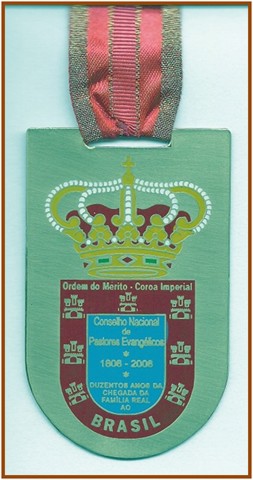

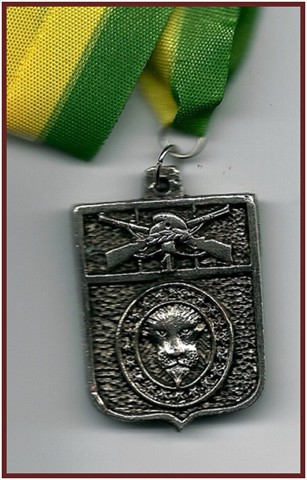



















CONDECORAÇÕES E HOMENAGENS
DECORATIONS AND TRIBUTES
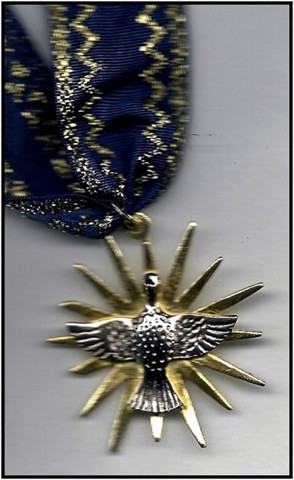
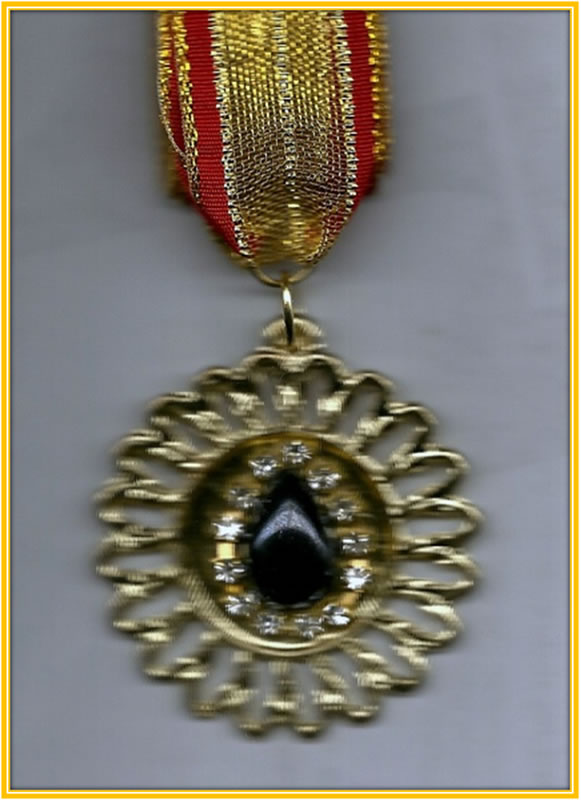
MÉRITO HONROSO DE FÉ
MERIT MENTION OF FAITH

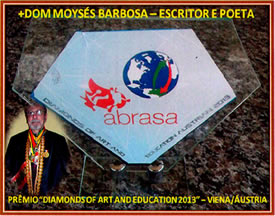
Esta titulação foi concedida a +Dom Moysés que luta pelo amor, solidariedade e liberdade entre os povos e homenageia uma mulher da antiguidade, patrona da outorga, a rainha Hatshepsut (reinado de 1.503 - 1.482 a.C.), considerada excepcional para sua época, ou seja, quinze séculos antes de Cristo. Além de distinguir +Dom Moysés, considerado clérigo de fé, evidencia a força e o poder que, ao valorizar estes mesmos atributos, as mulheres podem conquistar e serem tão úteis quanto os homens no mundo de hoje.
This titration was given to +Sun Moyses fighting for love, freedom and solidarity between peoples and honors a woman of antiquity, patron of the award, queen Hatshepsut (reign 1503 to 1482 a.C), considered unusual for its time, or fifteen centuries a. C. In addition to distinguish +Don Moyses, considered cleric of faith demonstrates the strength and power, to capitalize on these same attributes, women can win and be as useful as men in today's world.
HISTÓRICO
HISTORY
RAINHA HATSHEPSUT (reinado de 1503-1482 a.C.)
Queen Hatshepsut (reigned of 1503-1482 a.C.)
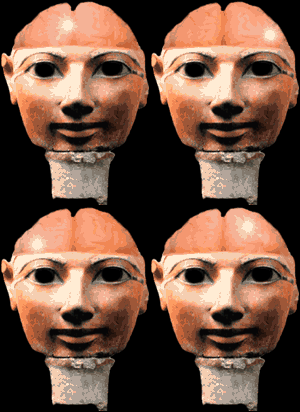
O Egito faraônico produziu uma série de mulheres excepcionais, sendo a Rainha HATSHEPSUT, a mais famosa delas. Muitas mulheres de faraós tinham tido um lugar ao sol ao lado de seus maridos e somente duas delas haviam governado por breve tempo, mas Hatshepsut foi a primeira que se arrogava a divindade e a realeza, usando dupla coroa, que indicava a soberania sobre as duas regiões do Alto e Baixo Egito.
The pharaonic Egypt produced a series of exceptional women, and the Queen Hatshepsut, the most famous. Many women pharaohs had had a place in the sun beside their husbands and only two of them had ruled briefly, but Hatshepsut was the first that is laying claim to divinity and royalty, using double crown, which gave sovereignty over the two regions Upper and Lower Egypt.
Este “faraó feminino” abandonou a guerra e fez o Egito voltar às atividades pacíficas, tais como a construção de grandes monumentos e manutenção das rotas de comércio com o exterior, que tinham sido fechadas durante o domínio dos Hicsos.
This “female pharaoh” abandoned the war and made to Egypt to return to peaceful activities, such as the construction of large monuments and maintenance of trade routes with the outside world, which had been closed during the rule of the Hyksos.
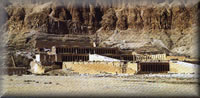
No templo e Hatshepsut em EL-Bahri de Deir, perto de Luxor no Vale dos Reis, o nascimento e a coroação da Rainha são descritos em pinturas e outros trabalhos de arte. Uma outra realização, descrita também através das pinturas vívidas, é o transporte de dois obeliscos de granito, ao Templo de Karnak. Os obeliscos foram usados como monumentos religiosos no Egito antigo.
In the temple and Hapshepsut at el-Bahri Deir, near Luxor in the Valley of the Kings, the birth and coronation of Queen are described in paintings and other works of art. Another achievement, also described by the vivid paintings, is the transport of two obelisks of granite, the Temple of Karnak. The obelisks were used as religious monuments in Ancient Egypt.