


























A CIÊNCIA E A BÍBLIA
THE SCIENCE AND THE BIBLE
DESTRUIÇÃO DE CIDADES DOS FILISTEUS
DESTRUCTION OF CITY OF THE PHILISTINES
ORÁCULO PROFÉTICO BÍBLICO
PROPHETIC ORACLE BIBLE
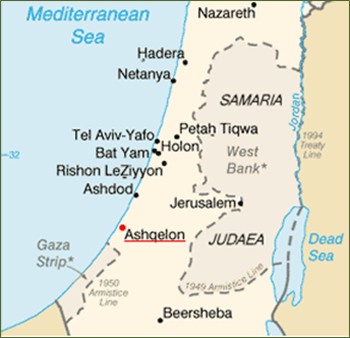
ANTIGO MAPA DA PALESTINA APARECENDO CIDADES FILISTÉIAS
OLD MAP OF PALESTINE APPEARING PHILISTINE CITIES
A Bíblia faz frequentes referências a um povo conhecido como filisteus, que vivia em Canaã quando o povo de Deus na antiguidade tomou posse da Terra Prometida: por muito tempo, esses antigos filisteus se opuseram ao povo de Deus, como fica evidente no relato do confronto entre Davi e o campeão filisteu, um gigante, chamado Golias - 1 Samuel 17:1-3, 23-53.
The Bible makes frequent references to a people known as Philistines, who lived in Canaan when God's people in ancient times took possession of the Promised Land: for a long time, these ancient Philistines were opposed to God's people, as is evident in reports of the confrontation between David and the Philistine champion, a giant named Goliath - 1 Samuel 17:1-3, 23-53.
As cinco principais cidades dos filisteus - Gaza, Asdode, Ecrom, Ascalom, sendo Gaza a maior de todas (1 Samuel 6:17) - têm sido escavadas por diferentes arqueólogos nos últimos anos e ficavam na costa do Mar Mediterrâneo ou pouco afastadas do litoral.
The five major Philistine cities - Gaza, Ashdod, Ekron, Ashkelon, Gaza and most of all (1 Samuel 6:17) - have been excavated by archaeologists in recent years different and they were on the Mediterranean coast or slightly away from the coast.
Por possuírem portos estavam sempre supridas das melhores mercadorias do mundo de então, destacando-se artigos valiosos como joias de ouro e pedras preciosas, vasos decorados de diferentes tipos,além de utensílios e muitos outros produtos.
Because they have always met the ports were better then the world's commodities, especially valuable items like gold jewelry and precious stones, decorated vases of different types, as well as utensils and many other products.
Nas escavações realizadas têm sido localizados verdadeiros tesouros da arqueologia: em Ascalom, foi desenterrada a rua mais importante da cidade (principal) que tinha como companhia uma grande praça, cercada por lojas e depósitos de mercadorias.
In the excavations have been found true treasures of archeology in Ashkelon, was unearthed the most important street of the city (main) as a company that had a large square surrounded by shops and warehouses.
Muito provavelmente, foi desse lugar que Davi fez referência quando lamentou a decadência de Israel: “Não o noticieis em Gate, nem o publiqueis nos bazares de Ascalom, para que não se alegrem as filhas dos filisteus, para que não saltem de contentamento as filhas dos incircuncisos” (2 Samuel 1:20).
Most likely, this place was that David made reference when he lamented the downfall of Israel: “Do not in Gath, publish it not in the bazaars of Ashkelon, lest they rejoice the daughters of the Philistines, to not jump the daughters of gladness of the uncircumcised ” (2 Samuel 1:20).
ORÁCULO PROFÉTICO
PROPHETIC ORACLE
“As cidades de Gaza e Ascalom serão completamente destruídas; as ruínas serão espalhadas até não ficar pedra sobre pedra. E vocês, últimos representantes da raça dos Enaquins, vão chorar e se lamentar profundamente!” (Jeremias 47:5).
“The cities of Gaza and Ashkelon will be completely destroyed, the ruins will not be dispersed until stone unturned. And you, the last representatives of the breed Anakims, will weep and mourn deeply!” (Jeremiah 47:5).
ASCALOM
DA ANTIGA ASCALOM SÓ SOBRARAM RUÍNAS E QUANTO Á GAZA É DO CONHECIMENTO DE TODOS. ASDODE FOI DESTRUÍDA NO SÉCULO X a.C. E CONSTRUÍDA NUM PLANO DIFERENTE. ECROM (ATUAL TEL MIQNE)FOI DESTRUÍDA MAIS DE UMA VEZ, MAS O REI NABUCODONOZOR II A ARRASOU DEFINITIVAMENTE EM 603 a.C. ASDODE FOI DESTRUÍDA POR UZIAS (II CR 26:6)
THE ANCIENT RUINS AND ASHKELON ONLY ON HOW TO GAZA IS OF ALL KNOWLEDGE. A(ATUAL TEL MIQNE) WAS DESTROYED MORE THAN ONCE, BUT KING NEBUCHADNEZZAR II DESTROYED DEFINITELY 603 a.C. ASHDOD WAS DESTROYED BY UZIAS (II CR 26:6)
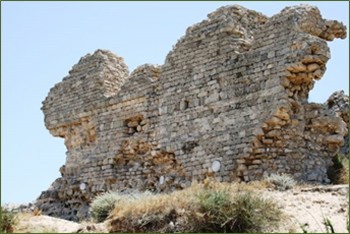
Pedaço de muralha dos filisteus de Ascalom (Ashkelon), cidade transformada em ruínas, completamente destruída várias vezes, e reconstruída, sendo que ficava ao sul de Israel fazendo fronteira com Gaza (Aza).
Piece of wall of the Philistines of Ashkelon (Ashkelon), transformed the city in ruins, completely destroyed several times, and rebuilds, and that was south of Israel bordering Gaza (Aza).
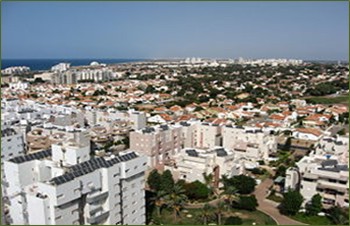
VISTA PARCIAL DE ASCALÃO (NOVA ASCALOM), QUE MANTEVE O NOME DA ANTIGA CIDADE BÍBLICA, QUE TAMBÉM SE SITUAVA NA COSTA DO MEDITERRÂNEO AO SUL DE TEL-AVIV NOS IDOS DE 3.500 a.C., SENDO QUE SEU LOCAL SÓ É ENCONTRADO PELA EXISTÊNCIA DE PEDAÇOS ESFACELADOS DE SEUS MUROS MEDIEVAIS
PARTIAL VIEW OF ASCALON (ASHKELON NEW) THAT KEPT THE NAME OF THE FORMER CITY BIBLE, WHICH IS ALSO LOCATED ON THE MEDITERRANEAN COAST SOUTH OF TEL-AVIV BACK IN 3500 a.C., AND THAT YOUR SITE IS ONLY FOUND BY THE EXISTENCE OF PIECES OF ITS WALLS SUNDERING MEDIEVAL
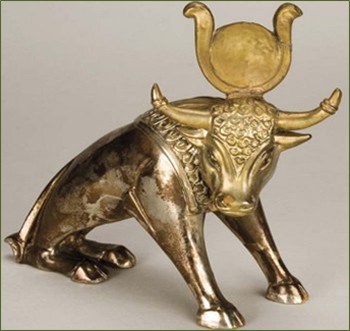
Mesmo tendo havido saques às ruínas de Ascalom, em Junho de 1990, o que restou da antiga (no local onde ela existiu ao sul de Tel-Aviv), Israel, foi examinado cuidadosamente por arqueólogos, e uma equipe encontrou nas escavações ali feitas um bezerro de mais ou menos doze centímetros de comprimento, fundido em bronze, cobre e prata: bronze passou por polimento para ficar brilhante como o ouro, sendo que outros pesquisadores haviam iniciado escavações ali em 1815.
While there were looting the ruins of Ashkelon, in June 1990, what remained of the former (the place where it existed south of Tel Aviv), Israel, was carefully examined by archaeologists and a team found in the excavations made there a calf of about twelve inches long, cast in bronze, copper and silver, bronze went to stay bright by polishing such as gold, and other researchers have started excavations there in 1815.
O Dr. Lawrence Stager, da Universidade de Harvard, que dirigiu a equipe, acredita que o bezerro data de 1.550 a.C., antes dos israelitas conquistarem Canaã, o que sugere que a estatueta pode ter sido usada em rituais de adoração ao deus pagão EL, ou ao seu filho Baal, e que pode ter sido um protótipo dos bezerros de ouro mencionados na Santa Bíblia.
Dr. Lawrence Stager, Harvard University, who headed the team, believes the calf date of 1.550 a.C., before the Israelites conquered Canaan, which suggests that the statue may have been used in ritual worship of the pagan god El, or his son Baal, and that may have been a prototype of the golden calves mentioned in the Holy Bible.
Em escavações realizadas em Ascalom, foram encontradas por arqueólogos cem ossadas com mais de dois mil anos, identificadas como de bebês do sexo masculino, sendo que este achado é um mistério ainda não desvendado e talvez seja a primeira prova concreta da prática de infanticídio, comum no antigo Império Romano, e não era crime, e crianças indesejadas ou doentes poderiam ser descartadas, já que para eles recém-nascidos não eram considerados seres humanos plenos.
In excavations at Ashkelon, one hundred were found by archaeologists bones with more than two thousand years, identified as male babies, and this finding is a mystery not yet revealed and perhaps the first evidence of the practice of infanticide, common in the ancient Roman Empire, and was not a crime, and unwanted children or patients could be discarded, since for them newborns were not considered full human beings.
É sabido que as cidades romanas possuíam as chamadas “casas de banho”, uma espécie de centro cultural frequentado por todos (homens livres, mulheres e escravos) e foi numa destas casas, de bairro pobre,é que estava a fossa com as ossadas: talvez as meninas foram poupadas para assegurar a continuidade dos nascimentos.
It is known that the Roman cities had so-called “toilets”, a kind of cultural center attended by all (free men, women and slaves) and was one of these homes, poor neighborhood, that was the pit with the remains: the girls might have been spared to ensure the continuity of births.
Quando o Imperador Constantino, cem anos mais tarde, tornou oficial a religião cristã oficial no império Romano, a prática de extermínio de bebês foi abolida.
When the Emperor Constantine, one hundred years later, became the official religion in the Roman Empire officially Christian, the practice of killing babies was abolished.
As ruínas da cidade foram saqueadas e não existem registros suficientes que transmitam mais detalhes da vida de Askhelon, mas mesmo assim os especialistas seguem em busca de respostas para este mistério.
The ruins of the city were looted and there are not enough records to forward details of the life of Askhelon, yet experts are still searching for answers to this mystery.
ECROM
O Dr. Paolo Matthiae, diretor da Missão Arqueológica Italiana na Síria, fazendo pesquisas bíblico-históricas na palestina (1975), com escavações arqueológicas, encontrou “uma inscrição esculpida em uma laje de calcário em Tel Miqne, 37 km a sudoeste de Jerusalém, confirma a identificação da área como Ecrom, uma das cinco capitais dos filisteus mencionadas na Bíblia, sendo que a inscrição é singular, pois contém o nome de uma cidade bíblica e cinco de seus governantes, dois dos quais são mencionados como reis em outros textos fora da Bíblia”.
Dr. Paolo Matthiae, director of the Italian Archeological Mission in Syria, doing research on the biblical-historical Palestine (1975), with archaeological excavations, he found “an inscription carved into a limestone slab in Tel Miqne, 37 miles southwest of Jerusalem, confirms the identification of the site as Ekron, one of the five capital cities of the Philistines mentioned in the Bible, and the inscription is unique because it contains the name of a biblical city and five of its rulers, two of which are mentioned as kings in texts other out the Bible”.
ASDODE
Em 1 842, Paul Emile Botta escavou a cidade de Corsabad e encontrou um cilindro octogonal com os seguintes dizeres sobre o rei Sargom: “em minha nona expedição à terra que está ao lado do grande mar, à Filistia e à Asdode eu fui... as cidades de Asdode eu sitiei e capturei...”
In 1842, Paul Emile Botta excavated the city and found a Corsabad octagonal cylinder with the following text about King Sargom: “in my ninth expedition to the land that is beside the great sea, Philistia to Ashdod and I've been... the cities of Ashdod I place and captured...”
Em 1962, Moshe Dotan e David Noel, fizeram escavações que confirmaram o registro bíblico da destruição de Asdode por Uzias, rei de Judá (2 Cr 26:6) e também encontraram um fragmento da chamada Colina de Sargom, que ele construiu no ano 712 a.C.
In 1962, Moshe Dotan and David Noel, who conducted excavations confirmed the biblical account of the destruction of Ashdod by Uzziah king of Judah (2 Chronicles 26:6) and also found a fragment of the call Sargom Hill, he built an 712 a.C.
