





























A CIÊNCIA E A BÍBLIA
THE SCIENCE AND THE BIBLE
TEMPLO OU TORRE DE SIQUÉM
TEMPLE OR TOWER OF SHECHEM
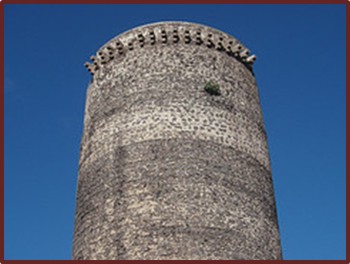
Este Templo (ou Torre) de Siquém é mencionado nas páginas da Bíblia Sagrada, mais exatamente no Livro deJuízes, no capítulo 9 (livro do Velho Testamento, que aparece depois do Livro de Josué e antes do Livro de Rute).
This Temple (or tower) of Shechem is mentioned in the pages of the Holy Bible, more exactly the Book of Judges, Chapter 9 (Old Testament book, which appears after the Book of Joshua and before the Book of Ruth).
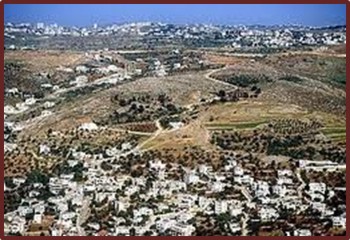
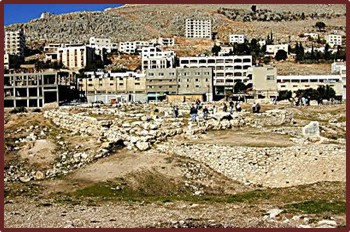
SIQUÉM É A PRIMEIRA CIDADE CITADA NAS ESCRITURAS, ONDE ABRAÃO ESTEVE, QUANDO ENTROU EM CANAÃ, NA TERRA DA PROMESSA (GÊNESIS 12: 6 e 7)
SHECHEM CITED IS THE FIRST CITY IN SCRIPTURE WHERE ABRAHAM WAS WHEN ENTERED CANAAN, THE LAND OF PROMISE (GENESIS 12:6-7)
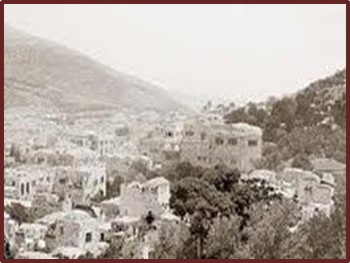
RUINAS DE SIQUÉM
RUINS OF SHECHEM
O livro de Juizes trata da história do povo de Israel, entre a conquista da terra de Canaã (1.400 a.C.), no final da vida de Josué até o estabelecimento do primeiro reinado (1.050 a.C.).
The book of Judges is about the history of Israel, between the conquest of Canaan (1400 BC) at the end of the life of Joshua to the establishment of the first reign (1050 BC).
Escrito originalmente em hebraico, sua autoria é até hoje incerta, embora alguns afirmem que poderia ter sido profeta Samuel, durante o reinado de Saul, em torno de 1.050 a.C.
Originally written in Hebrew, its authorship is uncertain until today, though some say it could have been the prophet Samuel, during the reign of Saul around 1050 BC.
Perto do Templo (ou Torre) de Siquem ficava o templo de Baal, cuja fortaleza subterrânea foi usada como refúgio dos cidadãos de Siquém quando a cidade foi tomada por Abimeleque.
Near the Temple (or tower) of Shechem was the temple of Baal, whose underground fortress was used as a refuge for men of Shechem when the city was taken by Abimelech. (exactly)
JUIZES 9:42 A 46
“No dia seguinte o povo de Siquém saiu para os campos. E Abimeleque ficou sabendo disso.
Então ele dividiu os seus homens em três grupos e os deixou escondidos no campo, esperando. Quando Abimeleque viu o povo saindo da cidade, saiu de onde estava escondido e os matou.
Abimeleque e o seu grupo atacaram de surpresa e tomaram conta do portão da cidade. Os outros dois grupos atacaram o povo que estava nos campos e mataram todos.
Abimeleque combateu os homens da cidade o dia todo. Tomou a cidade e matou os seus moradores. Então destruiu a cidade e espalhou sal no chão.
Quando os chefes de Torre de Siquém souberam disso, foram todos para a fortaleza do templo de Baal-Berite para ficar em segurança”.
INGLÊS/ENGLISH
JUDGES 9:42 TO 46
“The next day the people of Shechem went out to the fields. And Abimelech heard that.
He divided his men into three groups and left them hidden in the field, waiting. When he saw the people leaving the city, where he was hiding out and killed them.
Abimelech and his group attacked by surprise and took over the city gate. The other two groups attacked the people who were in camps and killed them all.
Abimelech fought against the men of the city all day.Took the the city and killed its people. Then destroyed the city and spread salt on the floor.
When the heads of the Tower of Shechem heard it, they all went to the fortress of the temple of Baal-Berith to be safe”.
Arqueólogos encontraram, no ano de 1910, cacos de cerâmica com inscrições, registrando despachos de vinho e de azeite de oliva e pagamento de impostos e com muitos nomes próprios lançados nas inscrições os quais continham o componente bá-al (Baal), o que os pesquisadores estão relacionando com o episódio do refugio no subsolo do templo de Baal.
Archeologists have found, in 1910, inscribed pottery shards, logging orders for wine and olive oil, and paying taxes and with many names recorded in inscriptions which contain the component bah-al (Baal), what Researchers are linking to the episode of refuge in the basement of the temple of Baal.
