

































A CIÊNCIA E A BÍBLIA
THE SCIENCE AND THE BIBLE
A LAODICEIA BÍBLICA FOI CIDADE PRÓSPERA
THE LAODICEA BIBLE IS THRIVING CITY
ANTIGA CIDADE É HOJE UM MONTE DE RUÍNAS
ANCIENT CITY IS TODAY A LOT OF RUINS
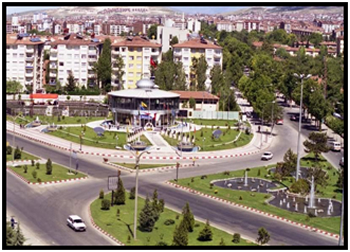
ABAIXO, RUÍNAS DA ANTIGA LAODICÉIA
BELOW THE RUINS OLD LAODICEA


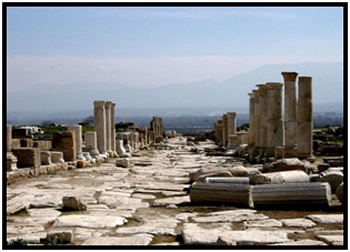
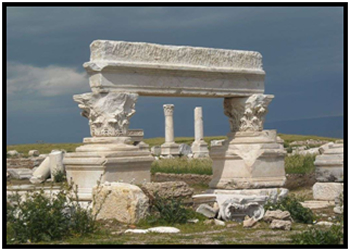
Em meio às ruínas de Laodicéia foi localizado o local da antiga igreja apostólica, uma das sete Igrejas para as quais São João escreve no Apocalipse, último livro da Bíblia: a cidade morna na Fé acabou destruída, desaparecendo totalmente.
Amid the ruins of Laodicea was located the site of the old apostolic church, one of the seven Churches to which St. John writes in Revelation, last book of the Bible: Faith in the warm city was destroyed, disappearing altogether.
A descoberta foi confirmada pelo professor Celal Simsek, chefe da missão arqueológica turca que realizou as escavações, sendo que o restos do edificio foram identificados com o auxílio de um radar subterrâneo.
The discovery was confirmed by Professor Celal Simsek, the Turkish chief of the archaeological team that conducted the excavations, the remains of the building were identified with the aid of an underground radar.
PEQUENO HISTÓRICO
LITTLE HISTORYCAL
O vale de Lico, na Ásia Menor, tinha três cidades principais: Colossos, conhecida por suas fontes de água fria; Hierápolis, conhecida por suas fontes de águas termais, e Laodicéia, conhecida por sua igreja morna, que causou enjôo no seu Senhor, Jesus Cristo, segundo os relatos sacros.
Lycus Valley in Asia Minor, had three major cities: Colosse, known for its fountains of cold water Hierapolis, known for its hot springs, and Laodicea, known for its lukewarm church that has caused sickness in their Lord, Jesus Christ, according to reports sacred.
Laodicéia fica no principal cruzamento de estradas dos vales da Ásia Menor, no que é hoje a Turquia: A cidade estava situada numa montanha que dava para um vale fértil e majestosas montanhas e nos tempos romanos, era um importante centro de administração e comércio, sendo que as questões de justiça da região eram resolvidas em Laodicéia e fundos eram depositados nos bancos da cidade para segurança.
Laodicea is in the main cross roads in the valleys of Asia Minor, in what is now Turkey: The city was situated on a hill overlooking a fertile valley and majestic mountains and in Roman times, was an important center of commerce and administration, and that questions of justice in the region were settled in Laodicea and funds were deposited in banks in the city for safety.
Embora danificada por terremotos durante o reino de Augusto (27 a.C. - 14 d.C.) e novamente em 60 d.C, a cidade continuou reconstruindo e prosperando e na atualidade é a cidade de Denizli, província do sudoeste da Turquia, na região do Egeu, com cerca de um milhão de habitantes: a cidade recebeu o nome de Denizli Ladik ou simplesmente Ladik quando foi refundada pelos seljúcidas (tribos nômades) no local atual, no século XII ou XIII, sucedendo à antiga Laodiceia dos tempos do Novo Testamento.
Although damaged by earthquakes during the reign of Augustus (27 BC - 14 AD) and again in 60 AD, the city continued rebuilding and prospered and today is the city of Denizli, a province in southeastern Turkey in the Aegean region, with about one million inhabitants, the city received the name of Denizli Ladik Ladik or simply when it was rebuilt by the Seljuks (nomadic tribes) at the current location, in the twelfth or thirteenth century, following the ancient Laodicea of New Testament times.
Laodicéia era na antiguidade um centro para a indústria têxtil regional: os rebanhos mantidos próximos aos vales produziam lã negra que era excepcionalmente macia e muito apreciada.
Laodicea was in antiquity a center for the regional textile industry, the cattle kept close to the valleys produced black wool that was exceptionally soft and highly appreciated.
