



























A CIÊNCIA E A BÍBLIA
THE SCIENCE AND THE BIBLE
JOSÉ NO EGITO: TUDO DIZ QUE ELE FOI FARAÓ
JOSEPH IN EGYPT: EVERYTHING HE SAYS IS PHARAOH
TEVE MOEDA COM SEU NOME E SEU NOME
HAD MONEY WITH YOUR NAME AND YOUR NAME
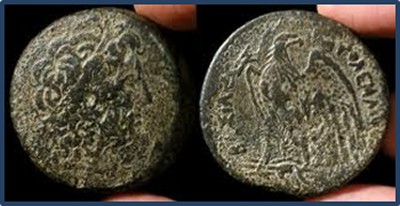
ENCONTRADAS ENTRE PEQUENOS ARTEFATOS ARQUEOLÓGICOS NO MUSEU DO EGITO
ARCHEOLOGICAL ARTIFACTS FOUND BETWEEN THE SMALL MUSEUM OF EGYPT
EGIPTÓLOGO AMERICANO ENCONTROU INTERRUPÇÃO CRONOLÓGICA NAS DINASTIAS DOS FARAÓS
AMERICAN EGYPTOLOGIST FOUND INTERRUPTION IN CHRONOLOGICAL DYNASTY OF PHARAOHS
“E TIROU FARAÓ O ANEL DE SUA MÃO E O PÔS NA MÃO DE JOSÉ, E O FEZ VESTIR DE VESTIDOS DE LINHO FINO, E PÔS UM COLAR DE OURO NO SEU PESCOÇO, E O FEZ SUBIR NO SEGUNDO CARRO...” (Gêneses 41.42-43).
“AND PHARAOH TOOK OFF RING AND PUT YOUR HAND IN THE HAND OF JOSEPH, AND DID DRESSED IN FINE LINEN, AND PUT A GOLD CHAIN ABOUT HIS NECK, AND MADE UP IN THE SECOND CAR...” (GENESIS 41.42-43).
José foi o filho mais novo do patriarca Jacó que tinha 12 filhos que por sua vez são os pais das doze tribos de Israel. A Bíblia nos diz que seus irmãos o venderam aos mercadores de escravos, pois sentiam inveja de José. Chegando como escravo no Egito Jose foi trabalhar na casa de Potifar, lá, injustamente foi vitima de uma calúnia e acabou indo para prisão contudo sua sorte começou a mudar quando mais uma vez voltou a se manifestar por meio dele uma unção especial para interpretar sonhos, sabendo o rei sobre a habilidade de José chamou-o para interpretar um sonho referente a sete vacas gordas e sete vacas magras e vendo o rei que nele havia sabedoria conferiu-lhe a honra de ser um grão-vizir ou governador do Egito.
Joseph was the youngest son of the patriarch Jacob had 12 sons who in turn are the parents of the twelve tribes of Israel. The Bible tells us that his brothers sold him to slave traders, they were jealous of Joseph. Coming in as a slave in Egypt Joseph was working in Potiphar's house, there was the victim of an unfair slur and ended up going to jail but his luck began to change when he returned once again to manifest through him a special anointing to interpret dreams, King learned about the ability of Joseph called him to interpret a dream regarding the seven fat cows and seven skinny cows and when the king saw that it was wisdom gave him the honor of being a governor or grand vizier of Egypt.
Uma coisa intrigava os historiadores por que não havia nenhum testemunho egípcio sobre esse governador chamado José? A resposta veio por um detalhe: Uma interrupção cronológica nas dinastias dos faraós indicavam como sendo aquela á época em que José governou no Egito entre os anos de 1780 a 1546 a.C. período em que o Egito havia sido dominado por forças estrangeiras.
One thing puzzled historians that there was no testimony on the Egyptian governor named Joseph? The answer came for one thing: An interruption in chronological dynasties of the pharaohs indicated that as the time when Joseph ruled in Egypt between the years 1780 to 1546 a.C. period when Egypt was dominated by foreign forces.
As forcas estrangeiros que dominavam o Egito chamava-se OS HICSOS. Um historiador egípcio testemunhou a derrota de seu povo, seu nome era Mâneto, ele disse que “não sei por que Deus estava distante conosco”. Surgiram de improviso homens de nascimento ignorado, vindos das terras do oriente. Impôs dominar o Egito, por fim elegeram rei um dos seus. O nome dele era Salatis, vivia em Mênfis, e impôs tributos ao alto e baixo Egito.
The foreign forces that ruled Egypt was called the Hyksos. An Egyptian historian witnessed the defeat of his people, his name was Manet, he said “I do not know why God was distant with us”. Appeared suddenly men of birth unknown, from the lands of the east. Imposed dominate Egypt, finally elected a King of their own. His name was Salati, lived in Memphis, and imposed taxes to the Upper and Lower Egypt.
A maneira que a Bíblia descreve a elevação de Jose a vice-rei chega a ser de um rigor quase protocolar. “E TIROU FARAÓ O ANEL DE SUA MÃO E O PÔS NA MÃO DE JOSÉ, E O FEZ VESTIR DE VESTIDOS DE LINHO FINO, E PÔS UM COLAR DE OURO NO SEU PESCOÇO, E O FEZ SUBIR NO SEGUNDO CARRO...” (Gêneses 41.42-43).
The way the Bible describes the rise of the viceroy Jose gets to be almost strictly a formality. “And Pharaoh took off RING AND PUT YOUR HAND IN THE HAND OF JOSEPH, AND DID dressed in fine linen, and put a gold chain about his neck, AND MADE UP IN THE SECOND CAR...” (Genesis 41.42-43).
Assim que os artistas egípcios representavam em murais e relevos as investiduras solenes e da mesma forma é representado o desfile público em que o primeiro carro cabia ao soberano e NO SEGUNDO TOMAVA LUGAR O MAIS ALTO DIGNITÁRIO DO REINO. Varias são as provas arqueológicas que localiza o reino dos Hicsos como na época do governo de José.
Once the artists represented in Egyptian murals and reliefs endowments solemn and so is represented in the pageant audience that it was the first car to the sovereign and took THE SECOND PLACE THE HIGHEST OFFICER OF THE KINGDOM. Several are the archaeological evidence that finds the kingdom of the Hyksos as the government at the time of Joseph.
Primeiro jamais um faraó egípcio iria colocar como governador “um habitante da areia” não havia algo mais desprezível para os egípcios do que os pastores de ovelhas. A própria Bíblia testifica disto dizendo: “todo pastor de ovelhas é abominação para os egípcios (Gênesis 46.34)“. O grande egiptólogo americano Jamis Henry Breasted afirma: “naquela época, era bem possível que um chefe da tribo de Israel tivesse conseguido uma alta posição naquele reino”. Um outro dado favorável é o numero abundante de funcionários com nomes semíticos inclusive se achou nomes como Jacob”.
First ever an Egyptian pharaoh as governor would put “an inhabitant of the sand” there was something more despicable than the Egyptians to the shepherds. The Bible itself testifies to this by saying: “every shepherd is an abomination to the Egyptians (Genesis 46.34”). The great American Egyptologist Jamis Henry Breasted says: In that time, it was quite possible that a chief of the tribe of Israel had achieved a high position in that kingdom." Another positive is given the abundant number of employees with Semitic names including names such as is found Jacob.
OBSERVAÇÕES: os destaques em caixa alta são nossos.
COMMENTS: highlights in all caps are ours.
CRÉDITO / CREDIT
http://arqueologiabiblica13.blogspot.com/2009/11/jose-do-egito.html
RESUMO DO MINISTÉRIO
SUMMARY OF THE MINISTRY
A HISTÓRIA DE ISRAEL - PRIMEIRA PARTE, no capítulo dedicado a José, afirma textualmente: “Sendo José um semita, levava barba; porém para sua presença ante o Faraó, teve de ser raspada de conformidade com as formas egípcias. A fina roupa de linho, o colar de ouro e o anel com o selo enfeitaram José na típica forma egípcia quando assumiu o mando administrativo sob a divina autoridade do Faraó. “Abrek”, provavelmente uma palavra egípcia que significa “tomar nota”, é a ordem para todos os egípcios ao produzir-se a designação de José (Gn 41.43)”.
THE HISTORY OF ISRAEL - PART I, in the chapter dedicated to Joseph says verbatim: “As a Semite Joseph, led his beard, but for its presence before the Pharaoh had to be shaved in accordance with the Egyptian forms. The fine linen clothes, the gold necklace and ring adorned with the seal in a typical Egyptian Jose when he took command under the administrative authority of the divine Pharaoh. “Abrek”, probably an Egyptian word that means “take note”, is the order for all Egyptians to produce to the appointment of Joseph (Gen. 41.43)”.
Tudo nos diz que José foi uma autoridade no Egito, o Faraó tirou o anel e colocou na mão de José, grande egiptólogo constatou que houve interrupção cronológica nas dinastias dos Faraós, historiador do Egíto escreveu que estrangeiros entraram no país e elegeram como rei um dos seus e a partir de então houve um crescimento de funcionários com nomes semíticos, até mesmo Jacob.
Everything tells us that Joseph was an authority on Egypt, Pharaoh took his ring and placed in the hand of Joseph, the great Egyptologist found that there was an interruption in chronological dynasties of Pharaohs, the Egyptian historian wrote that aliens entered the country and elected King as one of her and from then there was an increase of employees with Semitic names, even Jacob.
Acresce o fato que o período em que os Hicsos dominaram o Egito foi entre 1.785-1550, o que está em perfeita harmonia com a interrupção cronológica na dinastia dos Faraós, ocorrida entre 1.780-1.546.
Moreover, the fact that the period when the Hyksos ruled Egypt was among 1.785-1550, which is in perfect harmony with the chronological break in the dynasty of the Pharaohs, which occurred between 1780-1546.
Tudo indica que o governante máximo nesta interrupção foi José.
Everything indicates that this interruption was maximum ruler Joseph
