
























A CIÊNCIA E A BÍBLIA
THE SCIENCE AND THE BIBLE
BABILÔNIA E NABUCODONOZOR: REALIDADE!
BABYLON AND NEBUCHADNEZZAR REALITY!
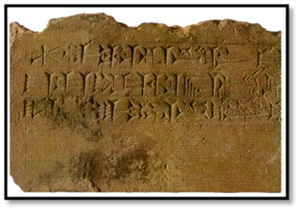
NESTE TIJOLO ENCONTRADO NAS RUÍNAS DA BABILÔNIA, TEM UMA INSCRIÇÃO QUE, TRADUZIDA É A SEGUINTE EXPRESSÃO: "(EU SOU) NABUCODONOSOR, REI DE BABILÔNIA. PROVEDOR (DO TEMPLO) DE EZAGIL E EZIDA, FILHO PRIMOGÊNITO DE NABOPOLASSAR” (MUSEU ARQUEOLÓGICO DA UNASP)
THIS BRICK FOUND IN THE RUINS OF BABYLON, HAS AN APPLICATION THAT IS TRANSLATED EXPRESSION FOLLOWING: "(I AM) NEBUCHADNEZZAR, KING OF BABYLON. OMBUDSMAN (TEMPLE) AND OF EZAGIL EZIDA, THE FIRST SON OF NABOPOLASSAR (ARCHAEOLOGICAL MUSEUM OF THE UNASP)
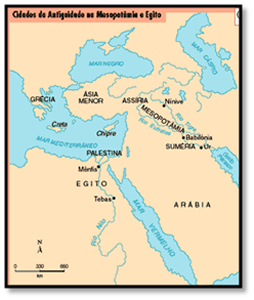
A cerca de 90 km da capital do Iraque, Bagdá, encontram-se as ruínas da bíblica Babilônia e nunca mais construiriam outra cidade sobre tais ruínas, após sua destruição, em 322 a.C.
At about 90 km from the Iraqi capital, Baghdad, are the ruins of biblical Babylon and never will build another city on such ruins after its destruction in 322 BC.
A existência histórica de Nabucodonosor e da própria Babilônia era um fato questionado pelos críticos até por volta de 1806, quando Claudius James Rich confirmou, através de um extenso relatório científico, que as ruínas encontradas na colina de Babil eram, na verdade, a antiga cidade de Babilônia.
The historical existence of Nebuchadnezzar and Babylon itself was a fact questioned by critics until around 1806, when Claudius James Rich confirmed through an extensive scientific report that found.
O problema é que até essa época ninguém sabia nada sobre a cidade fora do relato bíblico e de historiadores da antiguidade, cuja precisão era seriamente questionada: a grande metrópole parecia ter sido tragada pelas areias do deserto.
The problem is that until that time nobody knew anything about the city outside of the biblical and ancient historians, whose accuracy was seriously questioned, the vast metropolis seemed to have been swallowed by the desert sands.
Pesquisadores europeus que chegavam a Bagdá viam apenas as colinas empoeiradas de Babil e não podiam supor que ali estavam os escombros da antiga Babilônia: recolhiam tijolos com estranhas inscrições e levavam para casa como curiosidade apenas.
European researchers who arrived in Baghdad just saw the dusty hills of Babil and could not assume that there were the ruins of ancient Babylon with bricks collected strange inscriptions and took home only as a curiosity.
Sempre houve quem apregoasse que o livro de Daniel jamais poderia representar uma história real, mas as escavações que se seguiram à exploração de Claudius James Rich, começaram a mostrar que os céticos é que estavam errados.
There were always those who proclaim that the book of Daniel could never represent a true story, but the excavations that followed the holding of Claudius James Rich, began to show skeptics that it is wrong.
Nessa época, intensificou-se também na arqueologia um apurado estudo para descobrir o que estava escrito naqueles tabletes (tijolinhos) que se acumulavam aos montes, em todo o território: a decifracão dos cuneiformes babilônicos encontrados no Iraque foi, assim, o segundo grande feito arqueológico do século XIX, sendo que Nieburh, Grotefend e Rawlinson foram os principais pioneiros nessa área e até hoje não há dúvida sobre a fidelidade da maioria dos textos traduzidos.
At that time, also accelerated in an intense archaeological study to find out what was written on those tablets (bricks) that piled up in heaps all over the territory: the decipherment of Babylonian cuneiform tablets found in Iraq was thus the second great achievement archaeological nineteenth century, and Nieburh, Grotefend and Rawlinson were the main pioneers in this area and until now no doubt about the allegiance of most of the translated texts.
Em 1899, Robert Koldewey estava escavando as ruínas em Babil quando encontrou centenas de tijolos de paredes, muros e do próprio Templo de Ezagil que traziam o nome do Rei Nabucodonosor como mandatário daquelas grandes construções além de revelar um detalhe do caráter dele, revelada no Livro de Daniel, Capítulo 4, versículo 30, que numa linguagem cheia de arrogância diz: “Não é esta a grande Babilônia que eu edifiquei... para glória da minha majestade?", e não demorou muito este monarca foi surpreendido com uma sentença divina, de condenação por sua arrogância. 7 anos mais tarde Nabucodonozor reconheceu a soberania de Deus e se tornou testemunha de sua justiça (Daniel 4:34 a 37).
In 1899, Robert Koldewey was excavating the ruins in Babil when he found hundreds of brick walls, and walls of the Temple itself Ezagil bearing the name of King Nebuchadnezzar as representative of those large buildings as well as revealing a detail of his character, revealed in the Book Daniel, Chapter 4, verse 30, that a language full of arrogance says: "Is not this great Babylon I have built ... for the glory of my majesty? ", and before long this monarch was surprised with a divine sentence of condemnation for his arrogance. 7 years later Nebuchadnezzar recognized the sovereignty of God and became a witness of His righteousness (Dan 4:34 a 37).
“Agora, pois, eu, Nabucodonozor, louvo, exalço e glorifico ao Rei do céu, porque todas as suas obras são verdadeiras, e os seus caminhos, justos, e podem humilhar aos que andam na soberba” (Dan 4:37)
“Now therefore, I Nebuchadnezzar praise and extol and honor the King of heaven, all whose works are truth, and his ways, just, and may humble those who walk in pride" (Dan 4:37)
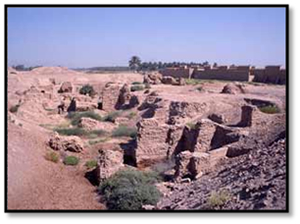
BABILÔNIA, CAPITAL DO IMPÉRIO DE HAMURÁBI, FOI UMA DAS MAIORES CIDADES DA ANTIGUIDADE E LOCALIZAVA-SE NA REGIÃO DENOMINADA POSTERIORMENTE MESOPOTÂMIA, ATUAL IRAQUE, SENDO ESTA FOTO DE 1996 (RUÍNAS DA BABILÔNIA).
BABYLON CAPITAL OF THE EMPIRE HAMMURABI, WAS ONE OF THE MAJOR CITIES OF ANTIQUITY AND IS LOCATED IN A REGION CALLED LATER MESOPOTAMIA, IRAQ TODAY, AND THIS PICTURE OF 1996 (RUINS OF BABYLON).
