
-
NAVEGAÇÃO
-
CONDECORAÇÕES E HOMENAGENS
-
ATUAÇÃO MINISTERIAL
- Curso de Liturgia (Evangélica)
- O Jornal Batista
- Jornal Boas Novas
- Jornais Diversos
- Boletins Eclesiásticos
- Resumos de Sermões
- Atividades Ministeriais Exercidas
- Atividades Ministeriais Atuais
- Perguntas Bíblicas
- A Ciência e a Bíblia
- Tele-Oração
- Solidão - Poesias
- Recanto dos Poetas Amigos
- Produção Jornalistico-literária de Dom Moysés Barbosa
- Matérias Jornalísticas
- Estatísticas do Ministério
- Orações pelos Povos
-
PRIMEIRO LIVRO DE DOM MOYSÉS BARBOSA
-
TEOLOGIA E ECLESIOLOGIA
- Ensino Teológico
- Credenciamento Pastoral
- IBICAM - Instituto Bíblico de Capacitação e Atualização Ministerial
- Templos de Igrejas Evangélicas (Brasil)
- Livro sem Palavras - Evangelização
- Declaração Universal dos Direitos Humanos - ONU
- Datas Internacionais e Nacionais (Oficiais Fixas do Brasil)
- BIBLIA ONLINE COMENTADA
-
FOTOS, ATUAÇÃO, INTEGRAÇÃO E HOMENAGENS RECEBIDAS E CONCEDIDAS
- Ministeriais - I
- Ministeriais - II
- Ministeriais - III
- Ministeriais - IV
- Ministeriais - V
- Ministeriais - VI
- Ministeriais - VII
- Ministeriais - VIII
- Ministeriais - IX
- Ministeriais - X
- Ministeriais - XI
- Pessoais
- Pessoais II
- Pessoais III
- Casamentos e Jubileus
- Outras - I
- Outras - II
- Outras - III
- Fotos Especiais, Antigas e Ministeriais Históricas I
- Fotos Especiais, Antigas e Ministeriais Históricas II
-
PAÍSES ALCANÇADOS PELO MINISTÉRIO
-
NOTICIÁRIOS EVANGÉLICO, GERAL E MINISTERIAL
-
CONTATO
-
Pesquisar o Site









TODAS AS NOSSAS REMESSAS SEGUEM PELOS CORREIOS: SE VOCÊ ESTÁ AGUARDANDO POSTAGEM DAQUI, FAÇA O RASTREAMENTO, CLICANDO EM



|
TITULAÇÕES INTERNACIONAIS SE O IRMÃO OU A IRMÃ DESEJA UMA TITULAÇÃO INTERNACIONAL NA ÁREA TEOLÓGICA, ASSINADA PELO PRÓPRIO BISPO-PRESIDENTE, O MINISTÉRIO ESTÁ EM CONDIÇÕES DE EXPEDIR, EM INGLÊS OU NO IDIOMA DO PAÍS DO DIPLOMADO. RESSALTA-SE QUE, COM EXPERIÊNCIA MINISTERIAL DE MUITOS ANOS E FORMAÇÕES BÍBLICO-TEOLÓGICAS RECEBIDAS NA ESPANHA, ISRAEL, ESTADOS UNIDOS, URUGUAY, BOLÍVIA E TANTOS OUTROS PAÍSES, É NOSSO DESEJO DIVIDI-LAS COM OBREIROS QUE ACOMPANHAM NOSSO TRABALHO. FAÇA RAPIDAMENTE CONTATO CONOSCO E DIGA QUAL A ÁREA QUE MAIS ATENDE SUAS NECESSIDADES CURRICULARES-MINISTERIAIS.
NOVAS TITULAÇÕES IMPORTANTES A partir de agora novas titulações estão sendo concedidas, dentro da resolução das instituições sob nossa mantenedoria, de reverenciar a memória de grandes nomes e comemorar datas históricas proeminentes, nacionais e internacionais, todas denominadas MÉRITO EMPREENDEDOR, a fim de distinguir pessoas físicas e jurídicas notoriamente dotadas de espírito de empreendedorismo. From now on new titles are being issued within the resolution of the institutions under our maintainers, to revere the memory of great names and dates commemorate important historical, national and international, all called MERIT ENTREPRENEUR, in order to distinguish individuals and companies known endowed with the spirit of entrepreneurship. JÁ FORAM INSTITUÍDAS AS QUE SE SEGUEM: MÉRITO EMPREENDEDOR GARRA BANDEIRANTE MÉRITO EMPREENDEDOR FORÇA EXPEDICIONÁRIA BRASILEIRA MÉRITO EMPREENDEDOR CIDADE DE SALVADOR MÉRITO EMPREENDEDOR JOÃO PAULO II MÉRITO EMPREENDEDOR PATRIARCA DA INDEPENDÊNCIA MÉRITO EMPREENDEDOR A REDENTORA MÉRITO EMPREENDEDOR MÁRTIR TIRADENTES MÉRITO EMPREENDEDOR PROCLAMAÇÃO DA REPÚBLICA MÉRITO EMPREENDEDOR MACHADO DE ASSIS CONDECORAÇÕES NOVAS Novas Condecorações na Medalhística Oficial do Conselho Nacional de Pastores Evangélicos (CONAPEV) New Decorations Medals in Journal of the National Council of Evangelical Pastors (CONAPEV) São Expedidas Mediante Certificado de Concessão Are Consigned By Certificate of Award
Temos, também, condecorações religiosas e outras instituídas recentemente. Faça contato conosco. We also have religious decorations and other up recently. Do contact us.

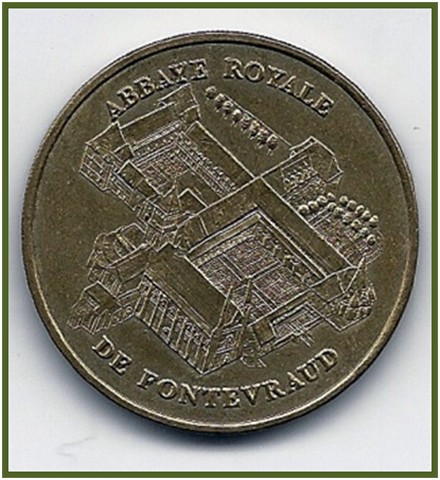
1 - FEB (*) COM DIPLOMA DE CONCESSÃO EM INGLÊS COLLECTION NATIONALE (MÈDAILLE OFFICIELLE - FRANCE)
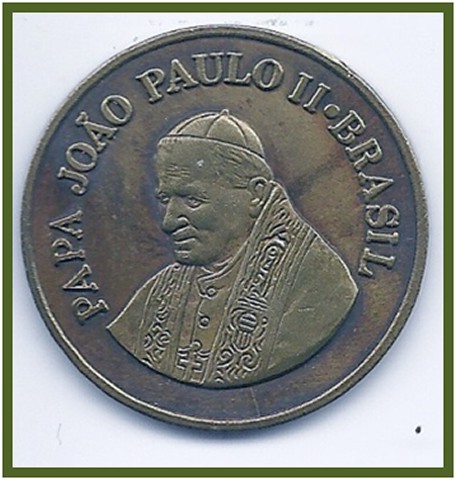
Le Donjon - Forteresse Mèdievale de Loches DIPLOMAS DE CONCESSÃO EXPEDIDOS EM UM DOS PAÍSES ALCANÇADOS PELO MINISTÉRIO (FRANÇA), NO IDIOMA LOCAL LEMBRANÇA DO PONTIFICADO DO PAPA JOÃO PAULO II
ITÁLIA: FRENTE E VERSO (ESTOJO VERMELHO - DIPLOMA DE CONCESSÃO EM ITALIANO)
BRASIL: FRENTE E VERSO (ESTOJO AZUL - DIPLOMA DE CONCESSÃO EM PORTUGUÊS) (1980 - PRIMEIRA VISITA DO PAPA AO BRASIL)HOMENAGEM A OBREIROS EM ANIVERSÁRIOS DE ORDENAÇÃO (5, 10, 15, 20, 25, 30, 35, 40, 45, 50, 75 ANOS OU QUAISQUER OUTROS)
GRÃO-COLAR EXCELÊNCIA DO MÉRITO MINISTERIAL
GRÃO-COLAR EXCELSO E SOBERANO DE MÉRITO SOL DA JUSTIÇA (INSTITUÍDO PELO CONSELHO NACIONAL, COM CERTIFICADO DE CONCESÃO)
CONDECORAÇÃO RELIGIOSA ESPECIAL
GRÃO-COLAR EXCELSO E SOBERANO DE MÉRITO PROTEÇÃO DO ANJO DO SENHOR
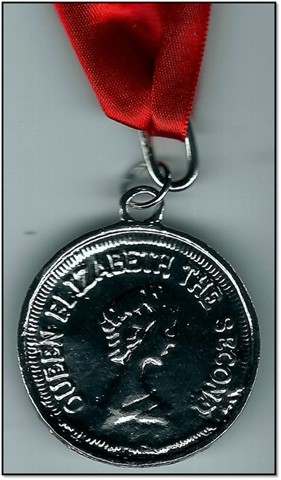
MEDALHA "QUEEN ELIZABETH THE SECOND", ACOMPANHADA DE MINIATURA REFERENCIANDO SEU REINADO QUE TEVE INÍCIO EM 06 DE FEVEREIRO DE 1952 E SEUS 85 ANOS EM 2011
TROFÉU HONRA AO MÉRITO DA PAZ PARA PESSOAS ENVOLVIDAS COM ATIVIDADES RELACIONADAS COM A IMPLANTAÇÃO OU PRESERVAÇÃO DA PAZ CERTIFICADO DE CONCESSÃO EXPEDIDO POR ENTIDADE DE ÂMBITO NACIONAL RECONHCIDA POR SIGNATÁRIOS DO "GLOBAL COMPACT (ONU)"
TROFÉU HONRA AO MÉRITO DA JUSTIÇA PARA PROFISSIONAIS DO DIREITO/JUSTIÇA OU PERSONALIDADES QUE PRIMAM PELA PRÁTICA DA JUSTIÇA COMEMORAÇÃO DOS 15 ANOS DA JUSTIÇA ARBITRAL NO BRASIL - LEI 9.307 DE 23/09/96 (O MESMO TROFÉU, MAS COM ESTA IMAGEM)
MEDALHA "GRANDE HOMENAGEM ECLESIÁSTICO-MINISTERIAL +DOM MOYSÉS BARBOSA" (COMEMORATIVA DOS 45 ANOS DE MINISTÉRIO EVANGÉLICO - OPÇÕES QUADRANGULAR E CIRCULAR) = DESTINAM-SE A OUTORGAS MAS HÁ FORNECIMENTO A COLECIONADORES =
MEDALHA "CÍVICO-PATRIÓTICA" CONCESSÃO COM DIPLOMA-TÍTULO "BRASILEIRO EMPREENDEDOR"
MEDALHA ARMAS DA REPÚBLICA CONCEDIDA PELO CONAPEV (COMEMORATIVA DE ANIVERSÁRIO DA PROCLAMAÇÃO DA REPÚBLICA DO BRASIL)
FRENTE - VERSO |
|
-.-.-.-.-.-.-.-.-.-.-.-.-.-.-.-.-.-.-.-.-.-.-.-.-.-.- AGRADECEMOS A DEUS PELO ÊXITO QUE ESTE MINISTÉRIO VEM ALCANÇANDO. LOUVADO SEJA O NOME DO SENHOR! CONTINUAMOS ORANDO POR TODAS AS PESSOAS QUE TELEFONAM PARA O TELE-ORAÇÃO, DO BRASIL E DE TODOS OS CONTINENTES, POIS RECEBEMOS PEDIDOS DE ORAÇÃO DE OUTROS PAÍSES DA AMÉRICA DO SUL, DA AMÉRICA DO NORTE, EUROPA, ÁSIA, ÁFRICA E OCEANIA. OS NOMES DE TODOS VOCÊS CONTINUARÃO NO LIVRO DA BÊNÇÃO. QUE DEUS OS CONTINUE ABENÇOANDO. WE WILL REMAINS PRAYING FOR ALL THE PEOPLE Call TELE-PRAYER OF BRAZIL AND THE CONTINENT OF ALL BECAUSE OF PRAYER REQUESTS RECEIVED FROM OTHER COUNTRIES OF SOUTH AMERICA, NORTH AMERICA, EUROPE, ASIA, AFRICA AND OCEANIA. THE NAMES OF ALL OF YOU CONTINUE IN THE BOOK OF BLESSING. WHAT GOD STAY BLESSING. IMPORTANTE As estatísticas das visitas a esta página registram, em todos os continentes, milhares de visualizações sem identificação da origem. Colabore conosco, passando-nos um E-Mail informando seu país, uma vez só, se possível no primeiro acesso a qualquer dos nossos conteúdos. Aproveite e nos mande uma sugestão. Assim poderemos divulgar dados mais precisos quanto ao nosso alcance. Ficaremos gratos e estaremos orando por sua vida. IMPORTANT The statistics of visits to this page book, on all continents, thousands of impressions without identifying the source. Collaborate with us, passing us an e-mail stating your country, once, if possible in the first access to any of our content. Enjoy and send us a suggestion. So we may disclose more accurate data about our reach. We will grateful and will be praying for his life. |




































PARA REFLETIR
TO REFLECT

LEGENDA DA IMAGEM ACIMA
LEGEND OF THE ABOVE PICTURE
"Look at this truly grass looks greener on the other side!"
JOÃO 8:44
"Vós tendes por pai o Diabo, e quereis satisfazer os desejos de vosso pai; ele é homicida desde o princípio, e nunca se firmou na verdade, porque nele não há verdade; quando ele profere mentira, fala do que lhe é próprio; porque é mentiroso, e pai da mentira". (João 08:44)
"Ye are of your father the devil, and the lusts of your father, he was a murderer from the beginning, and abode not in truth, because there is no truth, when he speaketh a lie, he speaketh of his own nature, because is a liar and the father of lies". (John 08:44)

RESUMOS DE SERMÕES
SUMMARIES OF SERMONS

= O PASSADO PODE SER IMPORTANTE HOJE =
Ageu 1:1-10

Vamos ler e refletir nesta hora sobre um texto do Antigo Testamento: aliás sempre gostei muito dos escritos desta primeira parte da Biblia Sagrada, pois além das lições que nos passam, da história em si, ela nos faz viver incontáveis momentos de emoção.
No ano de 538 a. C., aproximadamente, ao retornarem do exílio, sob amparo de um decreto real (Ciro), os judeus começaram a reconstruir o templo, e como se vê no livro de Esdras, pois as obras ficaram paradas por cerca de quinze anos, por vários fatores, sendo oportuno salientar algumas oposições externas e a falta de ânimo.
O texto nos mostra Deus fazendo uma chamada veemente do remanescente infiel dos israelitas para se arrependerem e retomar a obra do templo, sair daquela situação de paralisia, e verificamos que Deus ao fazer este apelo se fundamenta na sua soberana vontade e também no seu desejo de continuar sendo alvo das honras do povo com o qual fez uma aliança.
Deus, preocupado em que seu ideal que cumprisse naquele povo, e o chamou para refletir sobre o passado: Deus o libertou daquele exílio, com um propósito bem definido, ou seja, que a edificação do templo fosse concluída, pois todas as pessoas não davam sinais de que retomariam a obra, entretanto - isso certamente desagradou ao Senhor - levantavam suas próprias moradias.
As palavras de Deus, através do profeta, apresentam uma maldição: falam de vários acontecimentos que emperravam a vida dos israelitas, mas no fim, com toda a clareza, Deus assume as ações, como uma espécie de “sacudidela”, para que caíssem em si e recomeçassem a obra, quando disse, referindo-se ao pouco que tinham: “com um assopro dissipei“ e fiz vir a seca sobre a terra”.
Mas não tardaram palavras que mostraram a disposição do Senhor de fazer retornar a fartura, a paz, a bênção!; e lendo atentamente todo este trecho vamos constatar que muitas vezes agimos como os israelitas agiram no passado, sim, pois cuidamos de nossos interesses e deixamos para segundo plano tudo que diz respeito ao nosso Deus.
E ao conclamar os israelitas a considerar o passado, está falando para todos nós também: recebemos bênçãos e bênçãos e, então, começamos a nos esquecer de Deus, a priorizar nossos interesses, mas constatamos que se torna muito oportuna agora a exortação bíblica de que devemos “buscar primeiro as coisas que são do alto e as demais nos são acrescentadas”. Relembrar o passado pode ser decisivo para o nosso momento presente. Reflitamos irmãos.
INGLÊS / ENGLISH (correspondence literal of words, face to the difficulty of establishment of textual sense, before the differences of a country other)
= HE PAST MAY BE IMPORTANT TODAY =
Haggai 1:1-10
We will read and reflect at this time on a text of the Old Testament also always liked the writings of this first part of the Holy Bible, as well as the lessons that we pass, the story itself, it makes us live countless moments of emotion.
In the year 538 a.C., approximately, to return from exile, under patronage of a royal decree (Cyrus), the Jews began to rebuild the temple, and as seen in the book of Ezra, because the works were stopped for about fifteen years, several factors are worth highlighting some opposition and lack of external encouragement.
The text shows God making a strong call of the remainder of the unfaithful Israelites to repent and return to work of the temple, out of the situation of paralysis, and we see that God to make this call is based on His sovereign will and also in their desire to Honors continue to be targeted with the people who made a covenant.
God worried that it fulfilled its ideal that people, and called him to reflect on the past: that God delivered him into exile, with a well-defined purpose, ie the building of the temple was completed, because all the people gave no signs that the work would resume, though - it certainly displeased the Lord - raised their own homes.
The words of God through the prophet, have a curse: they talk about various events that cripple the lives of Israelis, but in the end, quite clearly, God takes the actions as a kind of “jolt” to fall in itself and resume work, when he said, referring to the little they had, “with a blast sinks" and I have brought drought upon the land”.
But not long words which the Lord showed the willingness to return a plenty, peace, blessing!, And perusing all this passage we see that often act as the Israelites did in the past, yes, because we look after our interests and leave everything to the background with respect to our God.
And to urge the Israelis to consider the past, is also speaking for all of us: we receive blessings and blessings and then we began to forget God, to prioritize our interests, but found that it is very timely now that the biblical exhortation we must “seek first the things that are above us and the other is added”. Remembering the past can be decisive for our present moment. Reflect brothers.
