
-
NAVEGAÇÃO
-
CONDECORAÇÕES E HOMENAGENS
-
ATUAÇÃO MINISTERIAL
- Curso de Liturgia (Evangélica)
- O Jornal Batista
- Jornal Boas Novas
- Jornais Diversos
- Boletins Eclesiásticos
- Resumos de Sermões
- Atividades Ministeriais Exercidas
- Atividades Ministeriais Atuais
- Perguntas Bíblicas
- A Ciência e a Bíblia
- Tele-Oração
- Solidão - Poesias
- Recanto dos Poetas Amigos
- Produção Jornalistico-literária de Dom Moysés Barbosa
- Matérias Jornalísticas
- Estatísticas do Ministério
- Orações pelos Povos
-
PRIMEIRO LIVRO DE DOM MOYSÉS BARBOSA
-
TEOLOGIA E ECLESIOLOGIA
- Ensino Teológico
- Credenciamento Pastoral
- IBICAM - Instituto Bíblico de Capacitação e Atualização Ministerial
- Templos de Igrejas Evangélicas (Brasil)
- Livro sem Palavras - Evangelização
- Declaração Universal dos Direitos Humanos - ONU
- Datas Internacionais e Nacionais (Oficiais Fixas do Brasil)
- BIBLIA ONLINE COMENTADA
-
FOTOS, ATUAÇÃO, INTEGRAÇÃO E HOMENAGENS RECEBIDAS E CONCEDIDAS
- Ministeriais - I
- Ministeriais - II
- Ministeriais - III
- Ministeriais - IV
- Ministeriais - V
- Ministeriais - VI
- Ministeriais - VII
- Ministeriais - VIII
- Ministeriais - IX
- Ministeriais - X
- Ministeriais - XI
- Pessoais
- Pessoais II
- Pessoais III
- Casamentos e Jubileus
- Outras - I
- Outras - II
- Outras - III
- Fotos Especiais, Antigas e Ministeriais Históricas I
- Fotos Especiais, Antigas e Ministeriais Históricas II
-
PAÍSES ALCANÇADOS PELO MINISTÉRIO
-
NOTICIÁRIOS EVANGÉLICO, GERAL E MINISTERIAL
-
CONTATO
-
Pesquisar o Site







TODAS AS NOSSAS REMESSAS SEGUEM PELOS CORREIOS: SE VOCÊ ESTÁ AGUARDANDO POSTAGEM DAQUI, FAÇA O RASTREAMENTO, CLICANDO EM



|
TITULAÇÕES INTERNACIONAIS SE O IRMÃO OU A IRMÃ DESEJA UMA TITULAÇÃO INTERNACIONAL NA ÁREA TEOLÓGICA, ASSINADA PELO PRÓPRIO BISPO-PRESIDENTE, O MINISTÉRIO ESTÁ EM CONDIÇÕES DE EXPEDIR, EM INGLÊS OU NO IDIOMA DO PAÍS DO DIPLOMADO. RESSALTA-SE QUE, COM EXPERIÊNCIA MINISTERIAL DE MUITOS ANOS E FORMAÇÕES BÍBLICO-TEOLÓGICAS RECEBIDAS NA ESPANHA, ISRAEL, ESTADOS UNIDOS, URUGUAY, BOLÍVIA E TANTOS OUTROS PAÍSES, É NOSSO DESEJO DIVIDI-LAS COM OBREIROS QUE ACOMPANHAM NOSSO TRABALHO. FAÇA RAPIDAMENTE CONTATO CONOSCO E DIGA QUAL A ÁREA QUE MAIS ATENDE SUAS NECESSIDADES CURRICULARES-MINISTERIAIS.
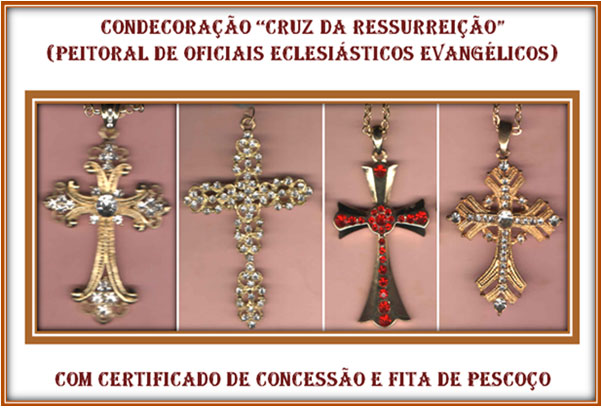
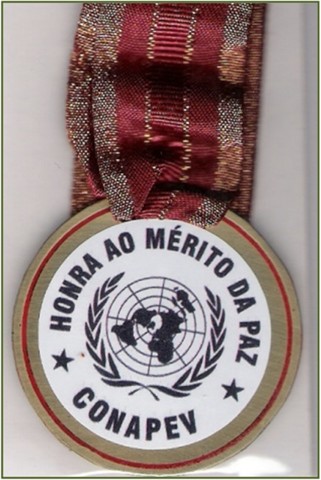
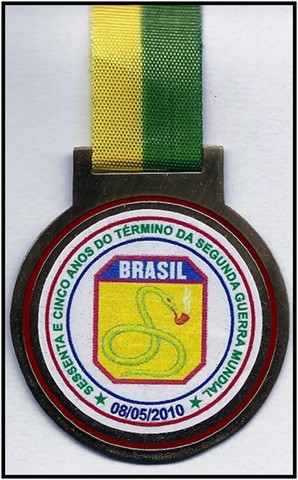
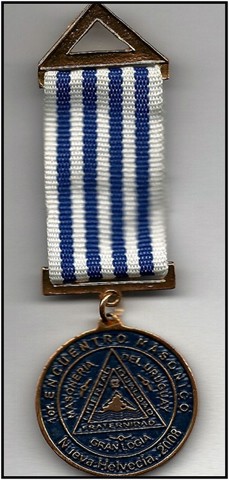
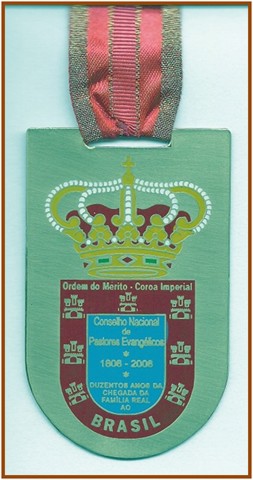
NOVAS TITULAÇÕES IMPORTANTES A partir de agora novas titulações estão sendo concedidas, dentro da resolução das instituições sob nossa mantenedoria, de reverenciar a memória de grandes nomes e comemorar datas históricas proeminentes, nacionais e internacionais, todas denominadas MÉRITO EMPREENDEDOR, a fim de distinguir pessoas físicas e jurídicas notoriamente dotadas de espírito de empreendedorismo. From now on new titles are being issued within the resolution of the institutions under our maintainers, to revere the memory of great names and dates commemorate important historical, national and international, all called MERIT ENTREPRENEUR, in order to distinguish individuals and companies known endowed with the spirit of entrepreneurship. JÁ FORAM INSTITUÍDAS AS QUE SE SEGUEM: MÉRITO EMPREENDEDOR GARRA BANDEIRANTE MÉRITO EMPREENDEDOR FORÇA EXPEDICIONÁRIA BRASILEIRA MÉRITO EMPREENDEDOR CIDADE DE SALVADOR MÉRITO EMPREENDEDOR JOÃO PAULO II MÉRITO EMPREENDEDOR PATRIARCA DA INDEPENDÊNCIA MÉRITO EMPREENDEDOR A REDENTORA MÉRITO EMPREENDEDOR MÁRTIR TIRADENTES MÉRITO EMPREENDEDOR PROCLAMAÇÃO DA REPÚBLICA MÉRITO EMPREENDEDOR MACHADO DE ASSIS CONDECORAÇÕES NOVAS Novas Condecorações na Medalhística Oficial do Conselho Nacional de Pastores Evangélicos (CONAPEV) New Decorations Medals in Journal of the National Council of Evangelical Pastors (CONAPEV) São Expedidas Mediante Certificado de Concessão Are Consigned By Certificate of Award
Temos, também, condecorações religiosas e outras instituídas recentemente. Faça contato conosco. We also have religious decorations and other up recently. Do contact us.
1 - FEB (*) COM DIPLOMA DE CONCESSÃO EM INGLÊS COLLECTION NATIONALE (MÈDAILLE OFFICIELLE - FRANCE)
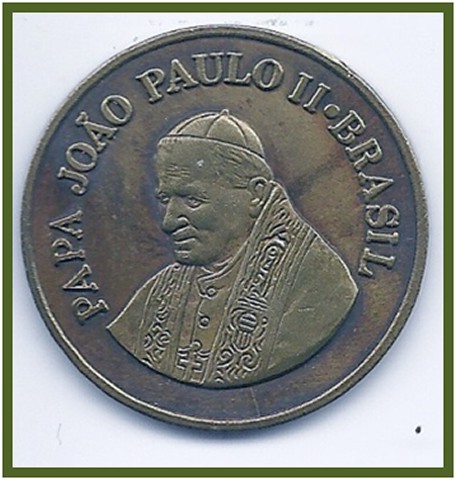
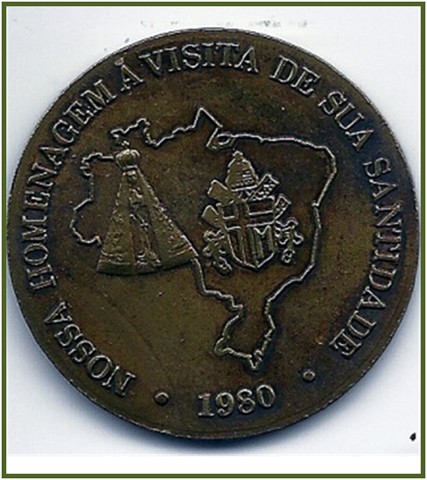
Le Donjon - Forteresse Mèdievale de Loches DIPLOMAS DE CONCESSÃO EXPEDIDOS EM UM DOS PAÍSES ALCANÇADOS PELO MINISTÉRIO (FRANÇA), NO IDIOMA LOCAL LEMBRANÇA DO PONTIFICADO DO PAPA JOÃO PAULO II
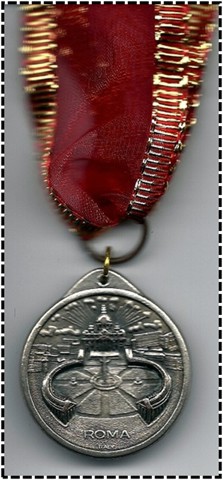
ITÁLIA: FRENTE E VERSO (ESTOJO VERMELHO - DIPLOMA DE CONCESSÃO EM ITALIANO)
BRASIL: FRENTE E VERSO (ESTOJO AZUL - DIPLOMA DE CONCESSÃO EM PORTUGUÊS) (1980 - PRIMEIRA VISITA DO PAPA AO BRASIL)HOMENAGEM A OBREIROS EM ANIVERSÁRIOS DE ORDENAÇÃO (5, 10, 15, 20, 25, 30, 35, 40, 45, 50, 75 ANOS OU QUAISQUER OUTROS)
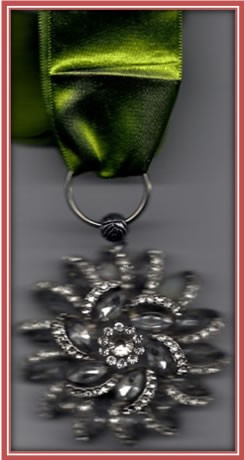
GRÃO-COLAR EXCELÊNCIA DO MÉRITO MINISTERIAL
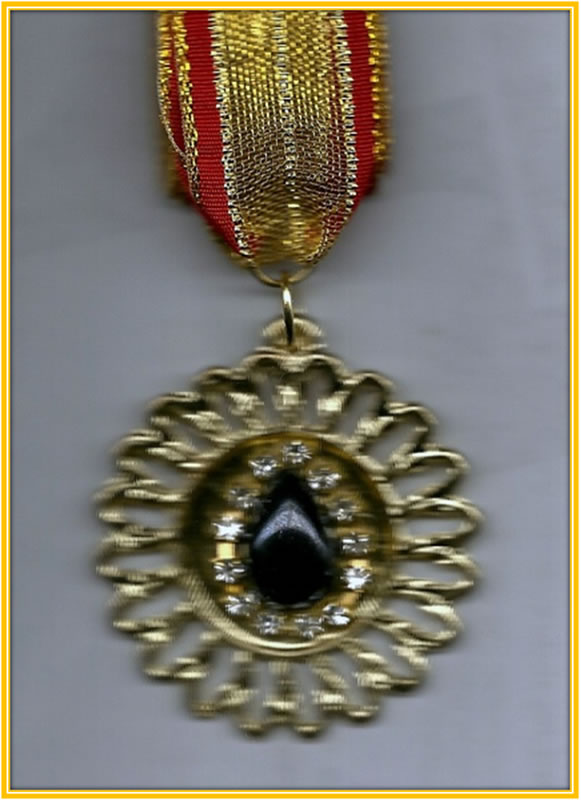
GRÃO-COLAR EXCELSO E SOBERANO DE MÉRITO SOL DA JUSTIÇA (INSTITUÍDO PELO CONSELHO NACIONAL, COM CERTIFICADO DE CONCESÃO)
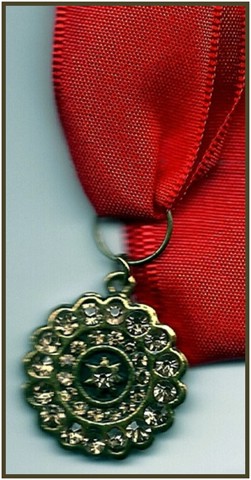
CONDECORAÇÃO RELIGIOSA ESPECIAL
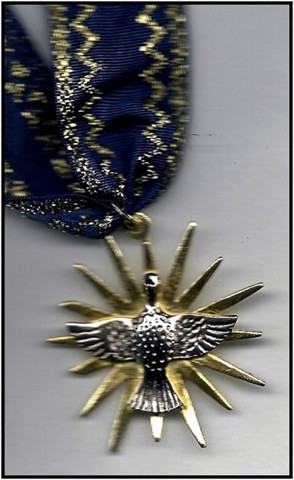
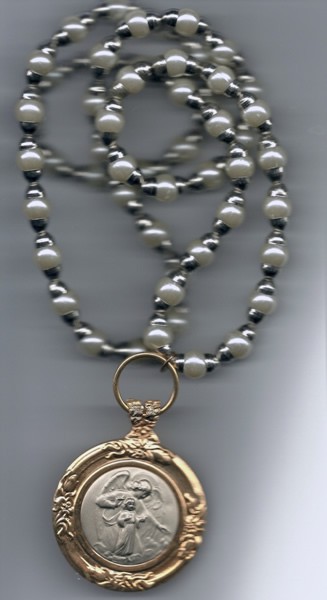
GRÃO-COLAR EXCELSO E SOBERANO DE MÉRITO PROTEÇÃO DO ANJO DO SENHOR
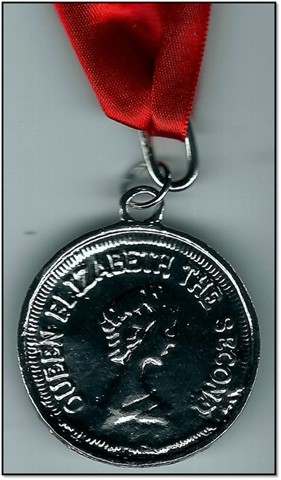
MEDALHA "QUEEN ELIZABETH THE SECOND", ACOMPANHADA DE MINIATURA REFERENCIANDO SEU REINADO QUE TEVE INÍCIO EM 06 DE FEVEREIRO DE 1952 E SEUS 85 ANOS EM 2011
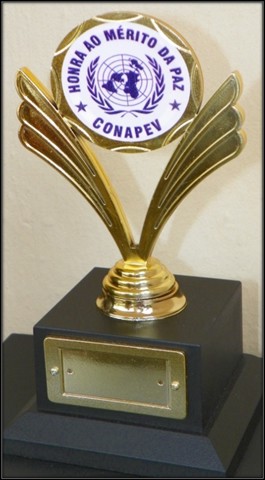
TROFÉU HONRA AO MÉRITO DA PAZ PARA PESSOAS ENVOLVIDAS COM ATIVIDADES RELACIONADAS COM A IMPLANTAÇÃO OU PRESERVAÇÃO DA PAZ CERTIFICADO DE CONCESSÃO EXPEDIDO POR ENTIDADE DE ÂMBITO NACIONAL RECONHCIDA POR SIGNATÁRIOS DO "GLOBAL COMPACT (ONU)"
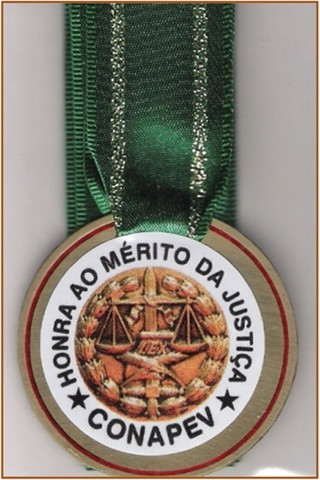
TROFÉU HONRA AO MÉRITO DA JUSTIÇA PARA PROFISSIONAIS DO DIREITO/JUSTIÇA OU PERSONALIDADES QUE PRIMAM PELA PRÁTICA DA JUSTIÇA COMEMORAÇÃO DOS 15 ANOS DA JUSTIÇA ARBITRAL NO BRASIL - LEI 9.307 DE 23/09/96 (O MESMO TROFÉU, MAS COM ESTA IMAGEM)
MEDALHA "GRANDE HOMENAGEM ECLESIÁSTICO-MINISTERIAL +DOM MOYSÉS BARBOSA" (COMEMORATIVA DOS 45 ANOS DE MINISTÉRIO EVANGÉLICO - OPÇÕES QUADRANGULAR E CIRCULAR) = DESTINAM-SE A OUTORGAS MAS HÁ FORNECIMENTO A COLECIONADORES =
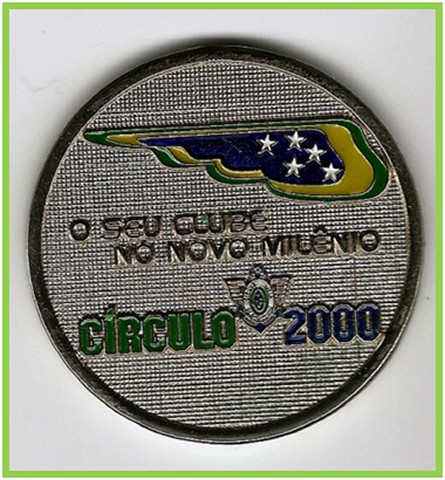
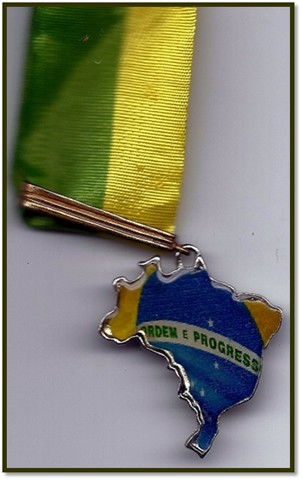
MEDALHA "CÍVICO-PATRIÓTICA" CONCESSÃO COM DIPLOMA-TÍTULO "BRASILEIRO EMPREENDEDOR"
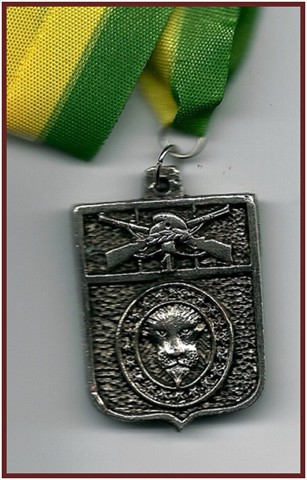
MEDALHA ARMAS DA REPÚBLICA CONCEDIDA PELO CONAPEV (COMEMORATIVA DE ANIVERSÁRIO DA PROCLAMAÇÃO DA REPÚBLICA DO BRASIL)
FRENTE - VERSO |
|
-.-.-.-.-.-.-.-.-.-.-.-.-.-.-.-.-.-.-.-.-.-.-.-.-.-.- AGRADECEMOS A DEUS PELO ÊXITO QUE ESTE MINISTÉRIO VEM ALCANÇANDO. LOUVADO SEJA O NOME DO SENHOR! CONTINUAMOS ORANDO POR TODAS AS PESSOAS QUE TELEFONAM PARA O TELE-ORAÇÃO, DO BRASIL E DE TODOS OS CONTINENTES, POIS RECEBEMOS PEDIDOS DE ORAÇÃO DE OUTROS PAÍSES DA AMÉRICA DO SUL, DA AMÉRICA DO NORTE, EUROPA, ÁSIA, ÁFRICA E OCEANIA. OS NOMES DE TODOS VOCÊS CONTINUARÃO NO LIVRO DA BÊNÇÃO. QUE DEUS OS CONTINUE ABENÇOANDO. WE WILL REMAINS PRAYING FOR ALL THE PEOPLE Call TELE-PRAYER OF BRAZIL AND THE CONTINENT OF ALL BECAUSE OF PRAYER REQUESTS RECEIVED FROM OTHER COUNTRIES OF SOUTH AMERICA, NORTH AMERICA, EUROPE, ASIA, AFRICA AND OCEANIA. THE NAMES OF ALL OF YOU CONTINUE IN THE BOOK OF BLESSING. WHAT GOD STAY BLESSING. IMPORTANTE As estatísticas das visitas a esta página registram, em todos os continentes, milhares de visualizações sem identificação da origem. Colabore conosco, passando-nos um E-Mail informando seu país, uma vez só, se possível no primeiro acesso a qualquer dos nossos conteúdos. Aproveite e nos mande uma sugestão. Assim poderemos divulgar dados mais precisos quanto ao nosso alcance. Ficaremos gratos e estaremos orando por sua vida. IMPORTANT The statistics of visits to this page book, on all continents, thousands of impressions without identifying the source. Collaborate with us, passing us an e-mail stating your country, once, if possible in the first access to any of our content. Enjoy and send us a suggestion. So we may disclose more accurate data about our reach. We will grateful and will be praying for his life. |
















PARA REFLETIR
TO REFLECT

LEGENDA DA IMAGEM ACIMA
LEGEND OF THE ABOVE PICTURE
"Look at this truly grass looks greener on the other side!"
JOÃO 8:44
"Vós tendes por pai o Diabo, e quereis satisfazer os desejos de vosso pai; ele é homicida desde o princípio, e nunca se firmou na verdade, porque nele não há verdade; quando ele profere mentira, fala do que lhe é próprio; porque é mentiroso, e pai da mentira". (João 08:44)
"Ye are of your father the devil, and the lusts of your father, he was a murderer from the beginning, and abode not in truth, because there is no truth, when he speaketh a lie, he speaketh of his own nature, because is a liar and the father of lies". (John 08:44)

BOLETINS ECLESIÁSTICOS
ECCLESIASTICAL REPORTS

PRIMEIRA IGREJA BATISTA DE TRÊS RIOS - RJ
FIRST BAPTIST CHURCH OF THREE RIVERS
= SÁBADO - DOMINGO DO SENHOR - CALENDÁRIO =

Muito se tem falado sobre os temas supracitados. Vejamos, com atenção, alguma coisa a respeito:
A palavra Calendário vem do latim “CALENDOR” que quer dizer “PRIMEIRO DIA DO MÊS”. No sentido popular, é a folhinha. No sentido erudito, é o “CONJUNTO DE REGRAS ADOTADO PARA FAZER COINCIDIR O ANO CIVIL COM O ANO SOLAR”.
O calendário atualmente adotado em quase todos os países é o que foi elaborado por Júlio César (101-44 a.C.) - imperador romano, por isso chamado de Calendário Juliano, segundo o qual o ano astronômico - que hoje sabemos corresponder a uma volta completa da Terra em redor do Sol - consta de 365 dias, 5 horas, 48 minutos e 6 segundos. Em cada período de quatro anos civis, se contavam 3 anos comuns de 365 dias e um de 366 dias, chamado de ano bissexto por causa dos dois 6. Ocorre que uma ligeira imprecisão dos cálculos obrigou, em 1582, o Papa Gregório XIII(1572-1585) a fazer uma reforma que consistiu em suprimir l0 dias deste ano. Por isso o calendário hoje vigente é chamado de Calendário Gregoriano. Devido a esta reforma, a descoberta do Brasil, que coincidiu, em 1500, com o dia 3 de maio, passou a ser celebrada no dia 21 de abril. Como exemplo de povos que adotam Calendários diferentes temos os israelitas e os muçulmanos.
Calendário é um sistema de contagem do tempo e nele são evidenciados os dias, semanas, meses, fases da lua, festas nacionais, festas religiosas e outros fatos cronológicos. Assim, aparecem em destaqu todos os domingos, que o mundo cristão dá o nome de “DIA DO SENHOR”, quando com raríssimas exceções, guarda-se o descanso instituído por Deus.
“O Natal” é a data máxima da Cristandade.
Segundo o Calendário Judaico, o 3º mês do ano civil ou 9º mês do ano sagrado, é parte dos meses de novembro e dezembro do nosso Calendário. Assim o dia 25 de Dezembro – Festa da Dedicação para os Judeus em Jerusalém – corresponde, no nosso Calendário, o Dia do Natal, ou seja, data em que se comemora o nascimento de Jesus Cristo (dezembro do ano 5 ou janeiro do ano 4 a.C., se considerarmos que Jesus tinha 30 anos ao ser batizado, última parte do ano 26 ou começo .do ano 27 a.D.) O dia 25 de dezembro foi instituído pelo Papa Júlio I (337-352 A.D.). Mas o domingo é o primeiro dia e não o último das semana, e o Senhor institui como dia santificado o último, que é o sábado, conforme se lê em Gênesis 2.1-3. Sim, a referência ao sábado como o “descanso do Senhor” aparece posteriormente, como em Levítico 23.3.
Ocorre que, se nas sinagogas ao tempo de Jesus Cristo, os judeus se reuniam no sé timo dia da semana (Mateus 12.9-10), desde o princípio da Igreja Apostólico, criada por Jesus Cristo, o culto ocorria no primeiro dia da semana, dia em que o Senhor ressuscitou dos mortos para nossa justificação(Atos 2.1 e Atos 20.7). Sim, era aos domingos que os antigos cristãos se reuniam, fazendo as coletas para os pobres, conforme as recomendações de Paulo (I Coríntios 16.1-2). O primeiro dia da semana passou a chamar-se domingo ou DIA DO SENHOR (Apocalipse 1.10).
INGLÊS / ENGLISH (correspondence literal of words, face to the difficulty of establishment of textual sense, before the differences of a country other)
= SATURDAY - SUNDAY OF THE LORD - CALENDAR =
Much has been spoken on the topics mentioned above. Let us, with attention, something about:
The word calendar comes from the Latin “CALENDOR” which means the first day of the month. In the popular sense, is the folhinha. Towards scholar, is the set of rules adopted for the calendar year MATCHING WITH SOLAR YEAR.
The calendar currently used in almost all countries is that established by Julius Caesar (101-44 BC) - Roman emperor, so called the Julian Calendar, that the astronomical year - that today we respond to a complete turn of Earth around the Sun - is of 365 days, 5 hours, 48 minutes and 6 seconds. In each period of four calendar years, was of 3 years for the 365 days and one of 366 days, called a leap year because of both the 6th Occurs that a slight inaccuracy of the calculations required in 1582, Pope Gregory XIII (1572-1585) to make a reform that was to remove L0 days this year. So the schedule now in force is called the Gregorian Calendar. Due to this reform, the discovery of Brazil, which coincided in 1500 with the 3rd of May, is now celebrated on April 21. As an example of people who take different calendars have the Israelis and the Muslims.
Calendar is a system of that time and there are shown the days, weeks, months, phases of the moon, national holidays, religious festivals and other events chronologically. Thus, in focus appear every Sunday, the Christian world that gave the name “DAY OF THE LORD”, when with very few exceptions, saves the rest is up to God.
“Christmas” is the maximum time of Christianity.
According to the Jewish calendar, the 3rd month of the calendar year or 9 months of the year sacred, is part of the months of November and December on our calendar. So on Dec. 25 - Feast of Dedication for the Jews in Jerusalem - is, in our calendar, the Day of Christmas, ie, when it celebrates the birth of Jesus Christ (5 December of the year or January of year 4 BC, if we consider that Jesus had 30 years to be baptized, in the last 26 years or beginning. the year 27 AD) the date December 25 was set by Pope Julius I (337-352 AD). But the Sunday is the first day and not the last of the week, and you up as the last holy days, which is the Sabbath, as it reads in Genesis 2.1-3. Yes, the reference to Saturday as the rest of the Lord appears later, as in Leviticus 23.3.
It happens, whether in the synagogues of the time of Jesus Christ, the Jews would gather in the thymus sé day of the week (Matthew 12.9-10), since the beginning of the Apostolic Church, founded by Jesus Christ, the worship occurred on the first day of the week, day that the Lord rose from the dead for our justification (Acts 2.1 and Acts 20.7). Yes, it was on Sunday that the former Christians gathered, making collections for the poor, as the recommendations of Paul (I Corinthians 16.1-2). The first day of the week has called the Sunday or day of the Lord (Revelation 1:10).
